
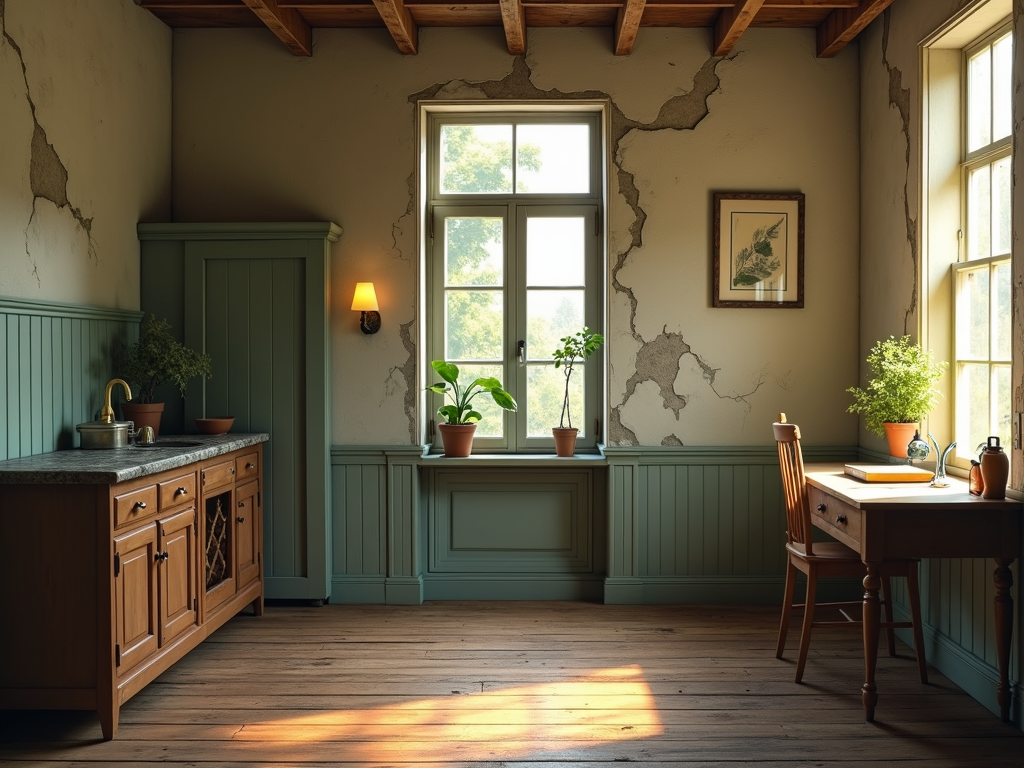
Most of the time, your house feels quiet. Steady. Familiar. But every now and then, it tries to get your attention-only, it doesn’t do it with words. It does it with sounds, smells, shifts, and small things that don’t feel quite right.
The key is to notice these signs early, before they grow into costly problems. So, if something in your home feels “off,” here are six clues it might be trying to tell you something important.
1. The Roof Is Giving You Hints
When was the last time you really looked at your roof or tried to consult a roofing expert? Not just a glance, but a proper look? For most people, it’s out of sight, out of mind-until there’s a leak, and suddenly it’s the only thing on your mind.
Roofs don’t fail overnight. They wear down gradually, sending small signals along the way. You might spot shingles that are curling or slipping out of place. Maybe a patch of dark streaks that weren’t there before. Or worse, you see stains on your ceiling inside the house-too late, the water’s already made its way in.
If your roof is over 20 years old, it’s worth checking even if everything seems fine. Those quiet signs are your house whispering, not yelling-yet. You can always reach out to a roofing contractor, like https://atriumroofing.com/, to make sure everything’s holding up the way it should.
2. Cracks That Weren’t There Last Year
Every home settles over time, especially if it’s older. A few hairline cracks in the wall? Usually nothing to stress about. But if you’re noticing new cracks that weren’t there a few months ago-or ones that are clearly getting wider-it might be time to pay closer attention.
Watch the spots around door frames and windows. That’s often where the first signs show up if there’s a deeper structural shift happening. You might see diagonal cracks, or even that familiar “stair-step” pattern in brickwork outside.
The house isn’t falling apart, but it might be asking for a structural check-in before a small shift becomes a bigger problem.
3. Your Doors and Windows Are Acting…Strange
You know your house. You know how the doors usually swing, how the windows usually glide. So, when something changes-it sticks, it scrapes, it suddenly doesn’t close right-you feel it.
These kinds of changes aren’t always caused by humidity or wear and tear. Often, they’re tied to the frame around them moving, even slightly. That could mean the foundation is shifting. Or the wood is warping due to hidden moisture.
It’s subtle, and easy to brush off. But it’s also one of the most common signs that your home’s bones are shifting under the surface.
4. A Smell You Can’t Quite Place
There’s nothing like walking into your home and catching a whiff of something that shouldn’t be there. It’s faint, but persistent-musty, damp, or just plain “off.”
Often, it’s the first clue that there’s a moisture issue somewhere. Maybe it’s behind a wall where a pipe has a slow leak. Or it’s coming from a crawlspace or attic with poor ventilation. You won’t always see water damage right away, but your nose usually notices before your eyes do.
If the smell sticks around, don’t mask it-track it down. It could save you a huge headache later.
5. Your Floors Feel Different
Walking through your house should feel solid and familiar. But if you suddenly notice a slight bounce, or one room feels like it’s sloping a little more than before, pay attention.
This kind of subtle shift in the floor can point to a few different things-moisture damage below the surface, rotting subfloor materials, or movement in the joists that hold everything up. It doesn’t always mean disaster, but it’s never something to ignore.
The sooner you find the cause, the easier it’ll be to fix without ripping everything apart.
6. The Paint Just Won’t Stay Put
Ever repaint a wall, only to see it start peeling again a few months later? And it’s always in the same spot?
That’s usually a sign that moisture is lurking beneath the surface. Paint doesn’t just bubble or flake for no reason. If it’s happening in a bathroom, kitchen, or near windows, it could be due to condensation or poor ventilation. In other spots, it might mean there’s a leak behind the wall that hasn’t shown its face yet.
Instead of slapping on another coat, it’s worth figuring out why the paint keeps giving up. The real problem might be just out of sight.
Your House Knows Before You Do
You don’t need to be an expert to know when something feels different in your home. A sag here, a squeak there, a spot that smells a little off-it all adds up to a bigger picture.
The good news? These signs usually show up early. And catching them early means avoiding more expensive repairs later.
So next time your home sends a signal, take a moment to listen. It’s not being fussy. It’s trying to help.