
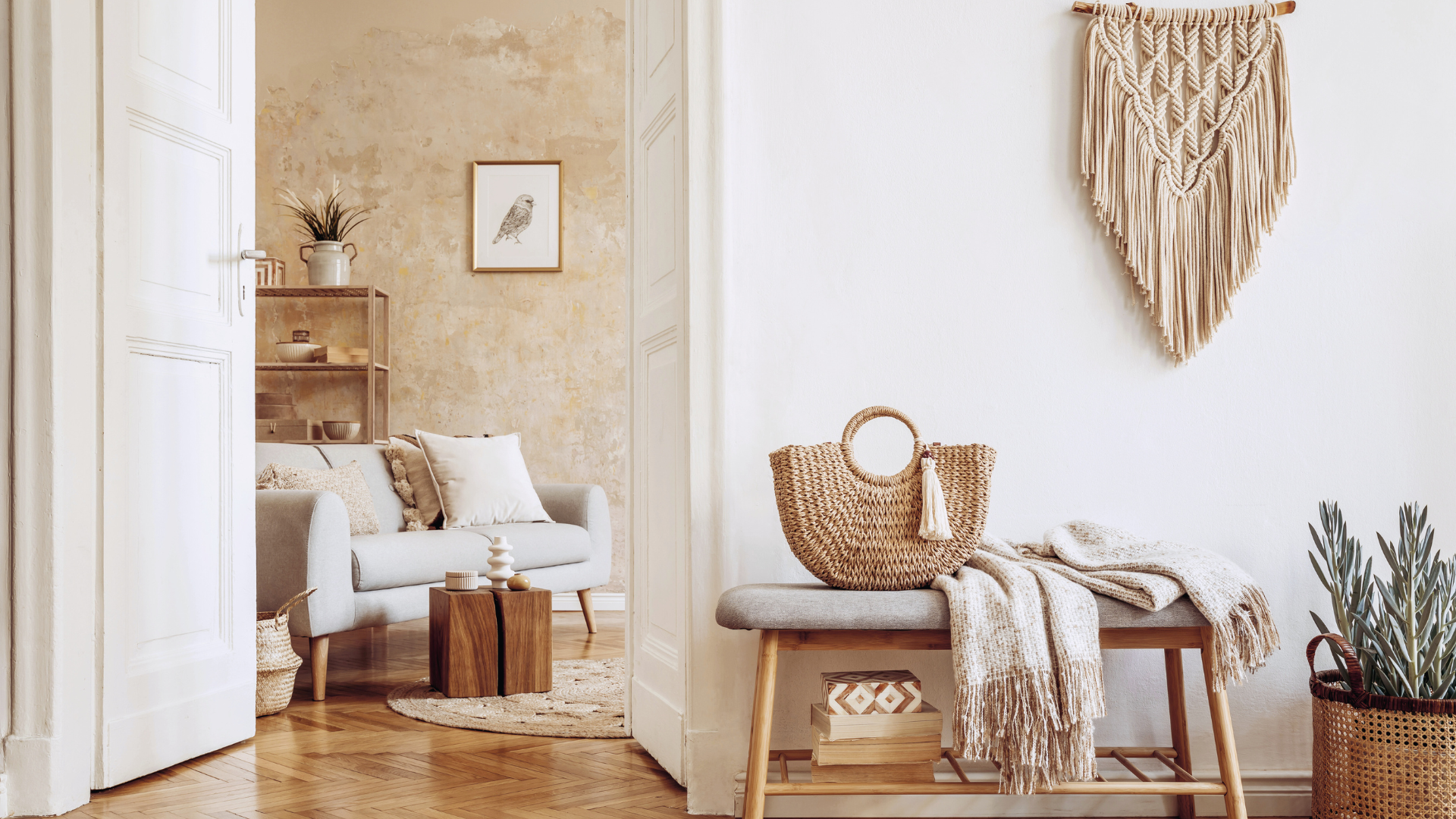
Many individuals unknowingly make common mistakes in home decor that can detract from the aesthetic and functionality of their spaces. Being aware of these pitfalls can significantly enhance the overall appeal of a home. Recognizing issues like poor furniture placement or overwhelming color palettes can transform an ordinary room into one that feels inviting and well-designed.
A few common errors often arise during the decorating process. For instance, neglecting scale and proportion can lead to a disjointed look. Additionally, a lack of cohesion in style can make a space feel cluttered and uninviting.
By identifying these mistakes early, homeowners can create a cohesive and stylish environment. Avoiding overcrowded spaces and mismatched furniture styles will help in achieving a more harmonious home. This guidance can lead to a more enjoyable living experience and a visually appealing atmosphere.
Common Home Decor Mistakes to Avoid
Many people face challenges in creating harmonious and functional spaces. Common mistakes in home decor include poor lighting, neglecting organization, and misjudging scale and proportion. Addressing these issues can significantly enhance any living space.
Neglecting Proper Lighting
Lighting plays a crucial role in home decor. Relying solely on overhead fixtures often results in a flat and uninviting atmosphere.
Key considerations for effective lighting:
- Layering: Incorporate ambient, task, and accent lighting to create warmth.
- Natural light: Utilize windows to maximize daylight and improve mood.
- Bulb choice: Select bulbs with appropriate brightness and color temperatures to complement the room’s design.
Investing in good lighting can transform a space, bringing attention to decor elements while ensuring functionality.
Overlooking Clutter and Organization
Clutter detracts from the beauty and functionality of any space. Disorganized areas can feel chaotic and overwhelming, making it easy to overlook design elements.
Strategies to manage clutter:
- Regular decluttering: Set aside time to evaluate items and eliminate the unnecessary.
- Storage solutions: Utilize baskets, shelves, and cabinets to keep items organized and out of sight.
- Mindful decor choices: Choose decor that serves a purpose while contributing to a cleaner aesthetic.
Keeping spaces organized not only enhances decor but also promotes a sense of calm.
Ignoring Scale and Proportion
Scale and proportion are essential to achieving balance in interior design. Selecting furniture that is too large or too small can disrupt visual harmony in a room.
Tips for ensuring proper scale:
- Measure: Take accurate measurements of both space and furniture before purchasing.
- Visual balance: Consider how different pieces relate to each other in size and shape.
- Test arrangements: Experiment with different layouts to determine what feels most comfortable and visually appealing.
Being mindful of scale and proportion ensures that decor works cohesively, creating an inviting environment.
Fundamental Interior Design Principles
Understanding fundamental interior design principles is essential for creating a harmonious and inviting space. Key aspects include establishing a cohesive color scheme and creating effective focal points. These elements play a significant role in transforming a room’s ambiance and functionality.
Establishing a Cohesive Color Scheme
A well-thought-out color scheme helps unify a space. It is important to choose a palette that reflects personal style while considering the room’s purpose.
- Choose a Base Color: Start with a neutral shade as the foundation. This can be complemented with bolder colors for accents.
- Use the Rule of Three: Limit the color palette to three main colors. This approach balances visual interest without overwhelming the space.
- Consider Lighting: Natural and artificial light affect how colors appear. Test paint samples in different lighting to ensure they work harmoniously throughout the day.
- Create Visual Flow: Transition colors smoothly between rooms to maintain a sense of continuity.
By focusing on these elements, individuals can design spaces that evoke the desired mood and style.
Creating Effective Focal Points
Focal points serve as the centerpiece of any room. Identifying and designing around a primary focal point can greatly enhance interior aesthetics.
- Identify the Key Feature: This may be a fireplace, artwork, or a piece of furniture. It should draw attention immediately upon entering the space.
- Scale and Proportion: Select focal points that are in proportion to the room’s size. An oversized piece can overwhelm a small room, while a tiny detail may get lost in a large area.
- Accessorize Thoughtfully: Surround the focal point with complementary decor. This supports the feature without diverting attention away from it.
- Create Balance: Distribute visual weight evenly around the focal point to create harmony in the design.
By emphasizing focal points, she can create inviting environments that feel both cohesive and well-planned.
Lighting and Window Treatment Errors
Avoiding mistakes with lighting and window treatments can significantly enhance the atmosphere and functionality of a space. By understanding common pitfalls, one can create an inviting and well-lit home.
Missing Opportunities for Natural Light
Natural light plays a crucial role in enhancing the mood and appearance of a room. Failing to maximize this element often leaves spaces feeling cramped or dull. Homeowners who want to boost daylight and improve room proportions can explore professional Window installation service in Naperville (or elsewhere) to replace or resize openings and ensure the right glass and framing are chosen for style and energy efficiency.
- Placement of Furniture: Large furniture pieces should not obstruct windows. Position them thoughtfully to allow sunlight to flow freely.
- Window Size: Opting for smaller windows limits light. Consider enlarging existing windows or adding additional ones if possible.
- Use of Mirrors: Strategically placing mirrors reflects light and can create an illusion of more space. This subtle addition amplifies natural lighting significantly.
Improper Window Treatment Choices
Choosing the wrong window treatments can significantly reduce the positive impact of natural light in a space. Window treatments do not always need to be heavy or rigid, there are user-friendly options that provide both style and functionality, such as perfect fit shutters by ShuttersUp. These solutions are designed for easy installation and smooth everyday operation, making them simple for anyone to adjust as lighting needs change. Other convenient alternatives include roller blinds, venetian blinds, and lightweight curtains, which allow for effortless movement and minimal upkeep. However, before selecting a solution, it is important to consider the following factors to choose the best option for each window.
- Material Selection: Light, sheer fabrics allow sunlight to filter through while maintaining privacy. Dark, heavy curtains can make a room feel much smaller.
- Style and Functionality: Treatments should not only match décor but also function effectively. Blinds, shades, and curtains need to provide the desired amount of light control.
- Layering Options: Layering different types of treatments, such as sheer curtains with heavier drapes, can offer versatility. This allows the user to adjust light levels throughout the day.
Not Using Accent Lighting Effectively
Accent lighting adds depth and interest to a room. Failing to incorporate it often results in flat, uninviting spaces.
- Types of Accent Lighting: Use floor lamps, wall sconces, or table lamps to create highlights. This draws attention to specific areas, such as artwork or architectural features.
- Layering Light: Combine ambient, task, and accent lighting for a complete lighting scheme. Each layer works harmoniously to enhance the overall aesthetic.
- Placement: Position accent lights strategically to avoid harsh shadows. Properly placed lights enhance features and give the room a more three-dimensional feel.
By addressing these lighting and window treatment errors, one can significantly improve the appeal and functionality of any home.
Advanced Home Decor Guidance
Navigating advanced home decor requires attention to current trends and a balance between aesthetic choices and practical needs. The following points emphasize common pitfalls and crucial considerations.
Avoiding Outdated Decorating Trends
Home decor trends evolve rapidly. To maintain a contemporary feel, it’s essential to avoid outdated styles that can make spaces look stale.
Key outdated trends:
- Overly ornate furniture: Simplicity often feels more modern.
- Heavy drapery: Opt for lighter fabrics or blinds for a fresh look.
- Matchy-matchy decor: Mixing styles and colors can add personality and depth.
Staying informed about current trends through design magazines or social media can help identify what to avoid. Making informed choices ensures that the space reflects current aesthetics rather than a bygone era.
Balancing Personal Style With Function
Decorating should reflect personal taste while remaining functional. It’s important to assess how each item fits the lifestyle and needs of the household.
Effective strategies include:
- Assessing space requirements: Ensure furniture scales appropriately to the room size.
- Choosing durable materials: Select items that endure daily use without sacrificing aesthetics.
- Incorporating versatile designs: Furniture that serves multiple purposes can enhance functionality.
Striking this balance allows for a harmonious living environment that functions well while expressing individuality. Thoughtfulness in selection can lead to both beautiful and practical outcomes in decor.