
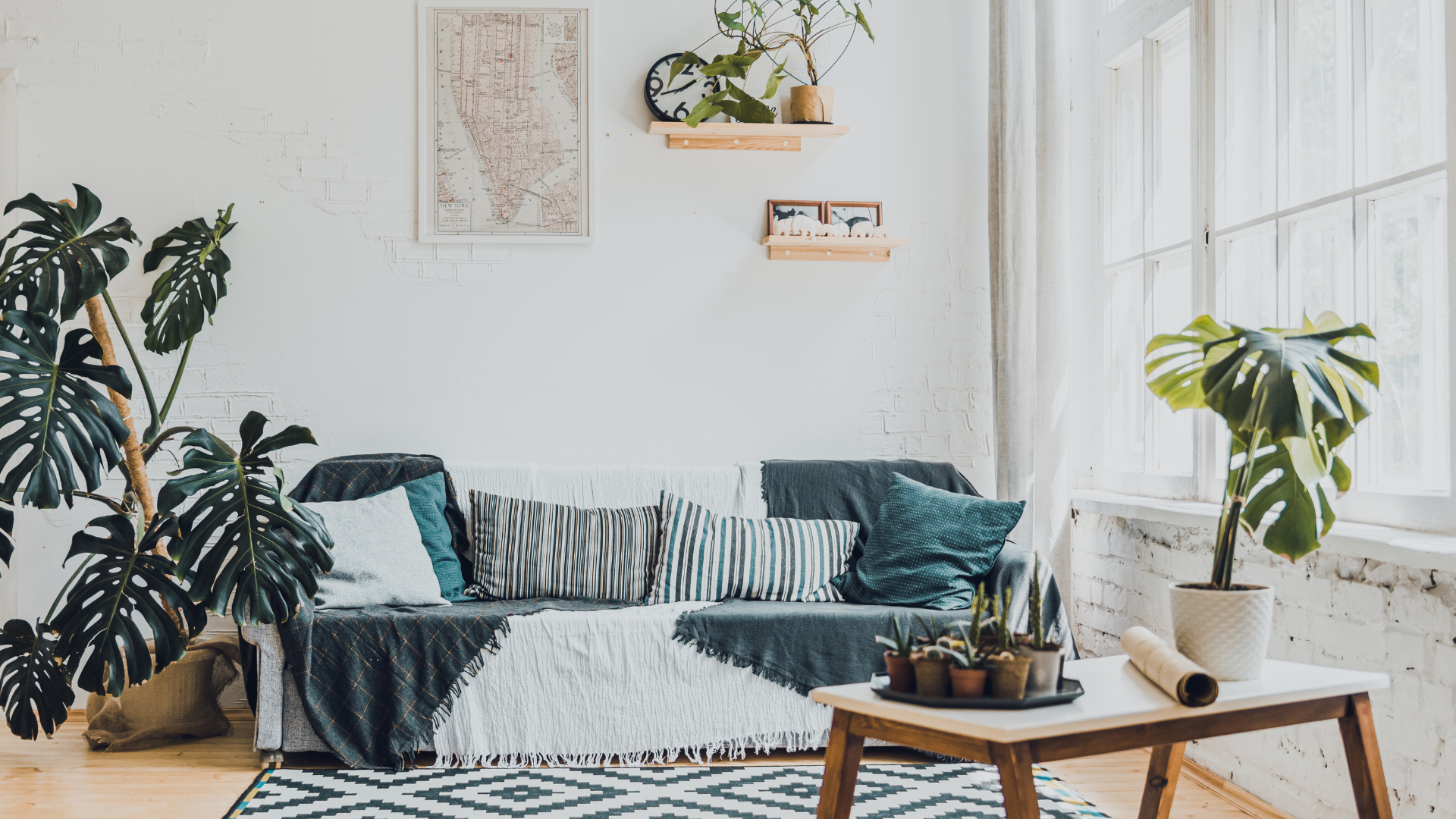
Creating a cozy living room involves more than just selecting furniture; color schemes play a crucial role in setting the ambiance. Warm tones like soft browns, muted oranges, and gentle creams can transform a space into a welcoming retreat. These colors evoke comfort and relaxation, making them ideal for a room meant for unwinding.
In addition to warm tones, accent colors can enhance the overall atmosphere. Shades of deep blue or green create a calming effect, while pops of earthy reds or yellows can add vibrancy without overwhelming the senses.
Ultimately, the best color schemes for a cozy living room balance warmth and personality. By carefully selecting colors that evoke the desired mood, anyone can create a retreat that reflects their personal style while offering comfort.
Foundations of Cozy Living Room Color Schemes
Creating a cozy living room requires an effective color scheme that fosters warmth and unity. The choice of colors will impact not just aesthetics but also the overall feel of the space. By understanding key principles, anyone can curate the perfect palette for comfort.
Understanding the Importance of Color Scheme
The color scheme sets the mood in a living room. Warm colors like reds and oranges can evoke energy, while cool tones such as blues and greens promote tranquility. Selecting harmonious colors creates a sense of balance and unity in the space.
A well-thought-out color palette can influence how people feel when they enter the room. A soothing environment is essential for relaxation.
Consider using various shades within the same color family to add depth. This approach allows for subtle variations without overwhelming the senses.
Choosing Neutral Colors for Warmth
Neutral colors serve as an excellent foundation for a cozy living room. Shades like beige, taupe, and soft greys provide warmth without feeling stark.
By using neutrals as base colors, homeowners can create a comforting backdrop. They also play well with accent colors and furniture choices, making them versatile.
Incorporating textures, such as soft fabrics and natural materials, can enhance the warmth of neutral spaces. A mix of textures adds dimension, making the room feel more inviting.
Accent walls in neutral shades can provide a focal point, drawing the eye. This technique can help in defining areas within the larger living room.
Utilizing the Color Wheel for Harmony
The color wheel is a useful tool for creating cohesive living room color ideas. Understanding complementary and analogous color schemes allows for well-balanced interiors.
Complementary colors, located opposite each other on the wheel, can create striking contrasts. For instance, pairing a warm beige with a muted blue can add vibrancy while maintaining harmony.
Analogous colors, situated next to one another, offer a more subtle blend. This technique can foster a serene atmosphere, perfect for relaxation.
Utilizing at least one color from each scheme can enhance overall unity. Careful selection ensures that the room feels complete and thoughtfully designed.
Popular Color Schemes for Cozy Living Rooms
Choosing the right color scheme can transform a living room into a welcoming and cozy space. Each option offers unique benefits and can reflect personal style while enhancing comfort.
Monochromatic Palettes for a Unified Feel
A monochromatic color scheme involves variations of a single color. This approach creates a serene and cohesive environment, ideal for relaxing.
For instance, a palette centered around soft blues can include navy accents, pale sky hues, and textured fabrics in dark and light shades. This variety offers depth while maintaining visual harmony.
Using different materials, such as velvet or linen, alongside a monochromatic scheme can add richness. Incorporating natural elements, such as wooden furniture, can further enhance warmth and comfort.
Layering Warm and Cool Colors
Layering combines warm and cool tones to achieve balance. Warmer shades like terracotta or soft yellow evoke coziness, while cooler tones like sage green or muted blue can bring freshness.
Contrasting these colors can highlight different areas of the living room. For example, warm, earthy tones in larger furniture pieces can create a grounding effect. In contrast, cooler hues in accessories and artwork can brighten the space.
Using throws and cushions to layer colors can also add texture. This approach helps create an inviting atmosphere while allowing for versatile styling options.
Accent Walls and Paint Color Choices
Accent walls are an effective way to incorporate bold colors without overwhelming the space. A deep, rich color like forest green or burgundy can serve as a striking backdrop.
Choosing complementary paint colors for the remaining walls can enhance the overall aesthetic. Soft neutrals like cream or light taupe can provide balance and make the room feel larger.
When selecting paint, consider finishes that reflect light elegantly. Matte or eggshell finishes can add depth to the colors used. Proper lighting can bring out the warmth in both the accent and surrounding walls, enhancing comfort.
Enhancing Comfort with Texture and Decor
Creating a cozy living room involves an effective mix of textures and decor elements. By incorporating plush pillows and inviting rugs, selecting appropriate wall art, and optimizing sunlight, one can significantly elevate the comfort level of the space.
Incorporating Textures with Pillows and Rugs
Textures play a vital role in enhancing comfort. Pillows should vary in size, color, and material to create a layered look. Consider mixing soft velvet and chunky knits for visual interest.
Rugs also add dimension and warmth. A plush area rug can define the seating area and provide tactile comfort underfoot. When selecting rugs, opt for ones with rich fibers like wool or cotton blends.
Layering rugs can also create depth. For example, place a smaller patterned rug on top of a larger neutral one for a unique touch. This technique brings cozy vibes while emphasizing the living room’s style.
Selecting Wall Art to Complement Color Choices
Wall art serves as a focal point that can tie together a room’s color scheme. Opt for pieces that reflect the chosen palette. For instance, if warm tones dominate, select art with complementary earthy hues.
Framed prints, canvas options, or even textiles can enhance the aesthetic. Large-scale art can create a bold statement, while smaller pieces arranged in a gallery style can add interest and character.
Choosing art with textured surfaces can further enhance the tactile feel of the room. Items like woven wall hangings or mixed-media compositions offer depth and visual appeal, complementing the overall decor.
Optimizing Sunlight for a Cozy Ambience
Sunlight significantly contributes to the comfort of a living room. Consider the room’s orientation when selecting curtains or blinds. Light-filtering treatments allow natural light to flood in while maintaining privacy.
Positioning mirrors strategically can amplify sunlight and create an inviting atmosphere. Reflective surfaces bounce light, making the room feel larger and brighter.
In addition, implementing cozy lighting options, like warm-toned lamps, can soften the overall feel. Pairing natural light with well-placed decorative lamps creates a balanced ambiance, enhancing comfort in the space.
Tips and Trends for Modern Cozy Living Rooms
Creating a modern, cozy living room involves more than just choosing colors. Staying inspired through social media trends and maintaining balance in design can enhance comfort and cohesiveness.
Staying Inspired: Social Media Living Room Trends
Social media is a wellspring of ideas for modern cozy living rooms. Platforms like Instagram and Pinterest showcase diverse styles, from minimalist to bohemian. Designers frequently share color palettes and layout ideas that can spark creativity.
Engagement with hashtags such as #CozyLiving or #InteriorInspo reveals popular trends, including the use of earthy tones, natural materials, and layered textiles. Users can save images and create mood boards to align their vision with current aesthetics.
Following influencers or interior designers also provides ongoing inspiration. They highlight how particular color schemes, furnishings, and accessories contribute to a warm and inviting atmosphere. Exploring these trends can inform personal choices while ensuring a contemporary look.
Maintaining Balance and Unity Over Time
Achieving balance in a living room is essential for a cohesive appearance. Color schemes should create harmony, using a dominant color complemented by accent shades. Neutral tones can serve as backdrops, allowing bolder colors to shine without overwhelming the space.
To maintain unity, it’s important to choose furnishings and decor that echo the selected color palette. This can involve using similar materials or textures, such as wood and fabric, to create a seamless flow.
Regularly updating accessories, such as throw pillows or wall art, can refresh the space without compromising its essence. Consequently, a structured yet flexible approach keeps the living room feeling lively and inviting, while remaining comfortably consistent.