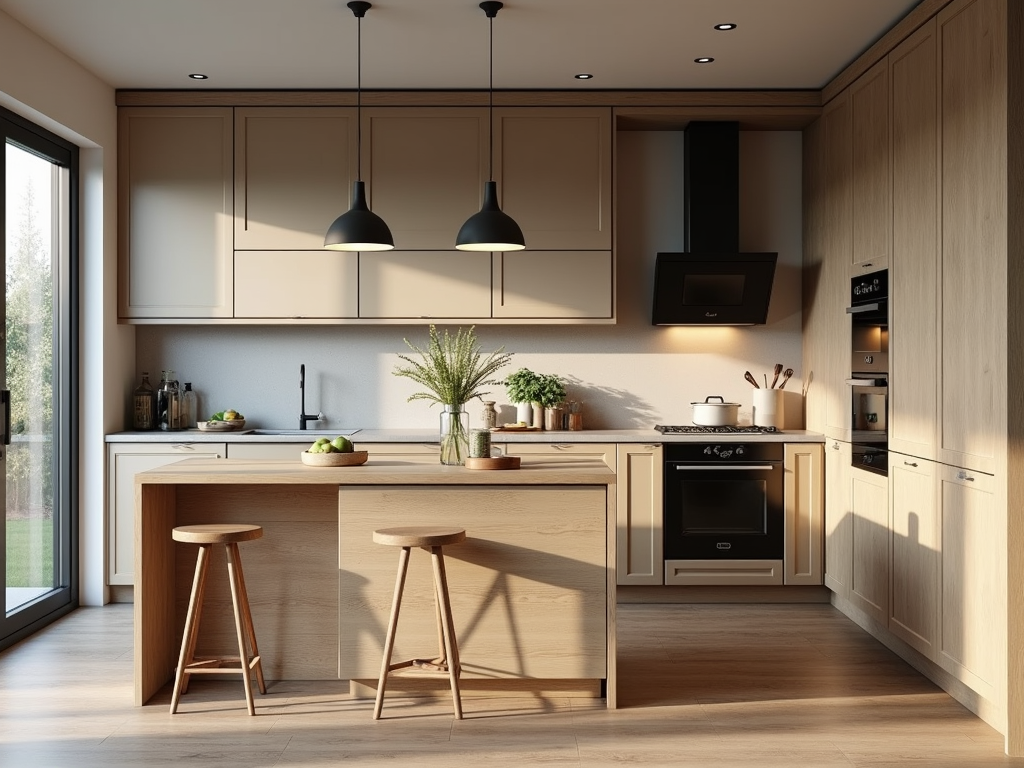
What is it about German kitchens that makes them feel like a cut above the rest? They’re sleek, functional, beautiful—yes—but there’s more going on behind those seamless cabinets and pristine countertops. German kitchen design has carved out a serious reputation in the world of high-end interiors, and it’s not just because they look good in a showroom. There’s a deep design philosophy at work, and it’s one that balances form and function with near-obsessive precision.
Precision That’s Baked In
German engineering is known globally for its precision and attention to detail. That mindset doesn’t stop at cars or machinery; it shows up in kitchen design too. Every element, down to the millimetre, is planned and built with intention.
There’s no guesswork. Cabinet doors align perfectly. Drawers glide smoothly. Shelving is placed exactly where it needs to be, not a centimeter off. It’s not just about aesthetics; it’s about the experience of using the space every day and having everything feel right. That kind of design discipline means the kitchen doesn’t just look flawless; it feels flawless.
Function-First Philosophy
Before anything else, luxury German kitchens are designed to work. That sounds obvious, but it’s surprisingly rare in luxury spaces, where style often overshadows practicality. In German design, function and form are equal partners.
Workflows are carefully considered. The layout follows a logical path, often using the “kitchen triangle” model (sink, cooktop, refrigerator), but evolving it into something smarter and more fluid. Storage is integrated in clever, often hidden ways. Drawers might include full-extension runners so you can see every item inside. Pull-out pantries are designed to bring everything within arm’s reach.
It’s all about making the space effortless to use.
Understated Yet Striking Style
There’s a certain restraint to the look of a German kitchen. It’s not flashy or loud. Instead, you get clean lines, muted tones, and seamless finishes that create a calm, elegant atmosphere. Nothing is there just for the sake of it. Every element has a reason to exist.
This minimalism isn’t cold, though. It’s refined. Materials are chosen carefully: often natural wood, glass, matte finishes, or smooth stone. Handles are often eliminated entirely, replaced by push-to-open technology or hidden grooves. Lighting is discreet but highly effective, enhancing both the form and the function of the space.
The result? A kitchen that’s as beautiful as it is usable.
Built to Last (and Then Some)
Durability plays a big part in the luxury appeal. German kitchens aren’t just made to look good for a few years. They’re built to stand the test of time.
Cabinetry is often made with high-density materials and precision joinery. Surfaces are tested for wear, scratch resistance, and even UV fading. Hinges and moving parts are designed to last through thousands of uses without deteriorating. This commitment to quality means these kitchens often look and function like new, even after a decade or more of daily use.
That kind of longevity matters, especially when you’re investing in a space that sees as much use as the kitchen does.
Customization Without the Chaos
While many kitchen designs lean toward either fully modular or fully custom (which can quickly become overwhelming), German kitchens strike a perfect balance.
They offer highly flexible configurations, but within a structured, organized system. That means homeowners can tailor the kitchen to their needs, whether it’s more drawers, integrated appliances, or a unique layout, without getting lost in endless options.
There’s a logic to the way everything fits together. It’s modular, yes, but not in a cheap or generic way. Think of it more like tailored design, not just pre-fab units. The design adapts to the user, not the other way around.
Innovation That Makes Sense
Technology plays a role, but not in a gimmicky way. German kitchens tend to adopt smart features only when they improve the actual use of the kitchen.
You might see touch-open cabinets, soft-close drawers, hidden charging ports, or under-cabinet lighting that adjusts automatically based on the time of day. But it’s never about having tech just to show off. The point is always to improve function, comfort, and flow.
Some kitchens even include integrated organization systems inside drawers and cabinets, making it easier to keep things tidy without extra effort. This kind of innovation is quiet, thoughtful, and unobtrusive, which is exactly the point.
Timelessness Is the Real Luxury
Trends come and go, but German kitchens are rarely swayed by the latest fad. They’re rooted in timeless principles: simplicity, quality, and utility. That gives them a lasting appeal.
A kitchen that’s well-designed today should still feel fresh and functional ten or fifteen years from now. That’s not just good design; that’s smart investment. Instead of chasing trends, these kitchens stay grounded in what really matters: how the space performs, how it supports your lifestyle, and how it holds up over time.
Why This Style Stands Out
German kitchens have earned their place at the top not through flash or marketing, but through consistency, logic, and precision. They’re not just built to impress. They’re built to serve: to function effortlessly, look timeless, and last longer than most people expect.
Leave a Reply