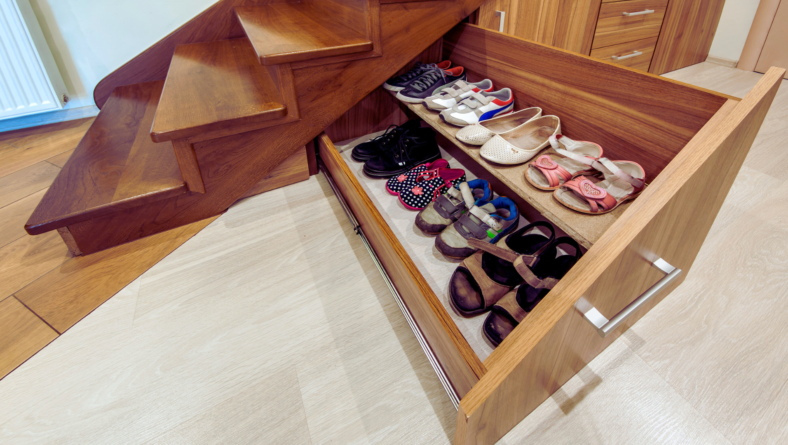
Maximizing space in homes is crucial, especially in areas where every square foot counts. Under-the-stairs storage offers a practical solution for utilizing otherwise wasted space, transforming it into functional areas for organization or creativity. From custom shelving to cozy reading nooks, the possibilities are extensive and accessible for any homeowner.
Creating under-the-stairs storage can enhance not just the organization but also the aesthetic appeal of a home. By incorporating clever design elements, individuals can turn this often-overlooked area into a seamless part of their decor.
Exploring various ideas for underground storage can spark inspiration for homeowners looking to improve their living environment. Simple yet effective strategies can completely change how a space is perceived and utilized, ultimately leading to a more functional and inviting home.
Benefits of Under-the-Stairs Storage
Utilizing under the stairs for storage offers practical advantages. This space can be transformed into a functional area for various needs, enhancing both organization and aesthetics in a home.
Space Optimization
Under-the-stairs storage maximizes often-overlooked areas in a home. This space can serve multiple purposes, whether for stowing away seasonal items, shoes, or toys.
Implementing built-in shelves or cabinets utilizes vertical space efficiently.
Consider adding pull-out drawers to create easy access for smaller items. This transformation allows homeowners to keep more living space clear and organized.
Improved Organization
A dedicated storage area under the stairs fosters better organization. Boxes, baskets, and specially designed shelving systems can be used to categorize belongings.
Labeling storage containers makes retrieval easier and quicker. Individuals can find items without rummaging through a cluttered space.
Establishing zones for specific categories, like sports equipment or holiday decorations, ensures everything has a designated place. This minimizes chaos in other areas of the home.
Aesthetic Appeal
Converting under-stairs spaces into storage can enhance a home’s interior design. Stylish cabinetry or decorative shelving can complement the overall decor.
Using materials that match existing fixtures creates a cohesive look. Homeowners might opt for sliding doors or open shelving, depending on their preference for visibility. You can also contact reputable sellers for comfortable and stylish carpets.
Incorporating lighting can further elevate this area, making it both functional and visually appealing. This investment not only provides utility but also contributes to the home’s charm.
Increased Property Value
Adding under-the-stairs storage can enhance a home’s marketability. Prospective buyers appreciate functional spaces that showcase efficient use of layout.
Increased organization and aesthetic improvements can make a lasting impression.
Having additional storage options can elevate property descriptions in listings, making homes more attractive. Though it may seem like a minor upgrade, it aligns with modern living where storage is a premium factor.
Design Considerations
Designing under-the-stairs storage requires careful thought about space and utility. Factors such as dimensions, customization, and accessibility will greatly influence the functionality of the space. Here are the key aspects to consider.
Assessing Available Space
Measuring the area under the stairs is crucial. Consider the height, width, and depth to determine the best storage solutions.
- Height: Often underestimated, vertical space can significantly increase storage capacity.
- Width and Depth: Assess these dimensions to ensure that any storage solution fits comfortably.
Account for any obstructions like electrical outlets or heating vents. Understanding these constraints allows for efficient use of space and may inspire creative designs like deep drawers or shelves that maximize every inch.
Custom vs. Prefabricated Options
Choosing between custom-built and prefabricated storage options affects both budget and design flexibility.
- Custom Storage: Tailored to the specific dimensions of the space, this option allows for personalized configurations. This may include specialized shelving, cabinets, or bins that fit the homeowner’s needs.
- Prefabricated Solutions: These are often more cost-effective and quicker to install. However, they may limit design choices and do not always utilize the available space perfectly.
Considering the time and resources available will guide this decision.
Material Selection
Selecting appropriate materials is essential for durability and aesthetic appeal. Different materials offer various benefits.
- Wood: Provides a classic look and can be stained or painted to match the decor.
- Metal: Offers industrial appeal and often comes with a longer lifespan.
- Plastic: Lightweight and waterproof, ideal for areas prone to moisture.
Evaluating the environment and intended use of the storage will help inform material choices.
Lighting and Visibility
Inadequate lighting can render under-stairs storage impractical. Including proper lighting enhances usability. You can wire this up yourself if you know what you are doing, however, it would be best to hire a skilled electrician Texas City, for example, to do it safely.
- Built-in Lighting: LED strips or recessed lighting can evenly illuminate shelves.
- Natural Light: If possible, consider using frosted glass doors that let light through but maintain privacy.
Visibility is also key. Open shelving or clear containers can assist in easily locating items.
Accessibility
Ensuring users can easily access stored items is vital.
- Door Options: Sliding doors save space, while hinged doors provide wider access but require more clearance.
- Shelf Height: Positioning shelves at reachable heights will minimize strain when retrieving items.
Consider adding pull-out drawers or bins for deep spaces. This enhances functionality and encourages organized storage.
Storage Solutions
Creating effective storage under the stairs can maximize space and improve organization. Various solutions can cater to different needs and styles, enhancing both functionality and aesthetics.
Built-In Cabinets
Built-in cabinets provide a seamless and stylish storage option. Many firms like Lovech and similar others provide customized cabinets to fit the exact dimensions of the under-stairs area, allowing for efficient use of available space.
Materials such as wood or MDF can be chosen to match the surrounding décor. These cabinets can feature shelves, drawers, or a combination of both to store items like shoes, bags, or household supplies.
Adding doors can help conceal clutter, contributing to a cleaner appearance. Built-in lighting within cabinets can enhance visibility and showcase stored items effectively.
Pull-Out Drawers
Pull-out drawers optimize accessibility while maintaining a neat appearance. They can be designed to fit snugly under the stairs and allow easy access to stored items.
The use of sliding mechanisms ensures smooth operation, making it easy to retrieve items from the back. These drawers are excellent for storing small items or things that are frequently used.
Organizers or dividers within the drawers can further maximize space and keep items sorted. This solution combines practicality with tidy aesthetics.
Shelving Units
Shelving units offer flexibility and versatility in under-stairs storage. They can be installed as open shelves, providing easy access to items such as books, decorative objects, or storage baskets.
Adjustable shelves can accommodate various item sizes, making this a customizable solution. Different materials, including wood, metal, or plastic, can be chosen based on style preferences and weight capacity requirements.
Wall-mounted shelves free up floor space, while standalone units can anchor the area. Shelving can serve both functional and decorative purposes, enhancing the overall design.
Hanging Hooks
Hanging hooks present a low-profile solution for storing items that can be easily accessed. They can be installed on walls or the underside of the stairs, ideal for frequently used items such as jackets, bags, or umbrellas.
Different hook styles, including decorative or utilitarian, can suit diverse aesthetics. Hooks can maximize vertical space while keeping the floor area clear and tidy.
Using color-coded or labeled hooks can further improve organization. This approach is efficient for households with multiple users who need easy access to their belongings.
Hidden Compartments
Hidden compartments add a layer of creativity to under-stairs storage. These features can be designed as secret drawers or concealed spaces that blend seamlessly with existing structures.
They can store valuable items or everyday accessories discreetly. This type of storage can also serve as a playful element in a child’s play area.
Incorporating hidden compartments requires careful planning to ensure they remain functional while maintaining a clean look. This option encourages innovative design and a unique approach to storage solutions.
Organizing Your Storage Space
Effective organization of under-the-stairs storage can maximize space and improve accessibility. By categorizing items, labeling efficiently, rotating seasonal items, and maintaining order, it becomes easier to utilize the area effectively.
Categorizing Items
When organizing under-stairs storage, categorizing items is crucial. Group similar items together to streamline access. For example, he may store holiday decorations, sports equipment, and tools separately.
Create broad categories such as:
- Seasonal decor
- Cleaning supplies
- Hobby materials
Within each category, he should consider further subdivisions. For cleaning supplies, he might organize by type—bathroom cleaners, kitchen supplies, and tools. This structured approach minimizes clutter and helps locate items quickly.
Labeling for Efficiency
Labeling is essential for maintaining an organized storage space. Each box or bin should clearly display its contents. Using a label maker contributes to a tidy appearance and readability.
Labels could include:
- Holiday lights
- Camping gear
- Old toys
He can also use color-coded labels for visual appeal and quick identification. This method ensures that anyone can find items without rummaging through multiple containers. Clear labeling integrates seamlessly into the organization’s strategy.
Seasonal Item Rotation
Seasonal item rotation aids in keeping storage tidy and functional. He should review the space at the beginning and end of each season. This involves moving out items that are no longer in use and bringing forward those appropriate for the upcoming season.
For instance:
- Winter: Store away summer items, such as beach gear.
- Summer: Bring out gardening tools and outdoor furniture.
This practice not only keeps relevant items accessible but also allows for rediscovering forgotten belongings. Regular rotation prevents clutter and ensures readiness for seasonal activities.
Maintaining Order
To sustain an organized space, regular maintenance is necessary. He should set a routine check, ideally quarterly, to assess the orderliness of the under-stairs storage. During this check, items can be reassessed for relevance and condition.
Establishing simple rules can help maintain organization:
- Return items to their designated spot.
- Evaluate items for donation or disposal.
Implementing a checklist can also be beneficial. Keeping a record of what needs to be checked or reorganized ensures nothing is overlooked. This ongoing commitment to order enhances the utility of under-stairs storage.
Creative Uses
Under the stairs storage can be transformed into functional and creative spaces that enhance the home experience. These areas can serve various purposes, from a quiet office nook to a playful space for children, adding utility without requiring additional floor space.
Home Office Nook
Under the stairs can serve as a cozy home office nook. By installing a small desk and shelving, this area becomes a productive workspace.
Key components include:
- Desk: Choose a slim profile to save space.
- Ergonomic chair: Prioritize comfort for extended use.
- Shelving: Use vertical space for books and office supplies.
Consider adding LED lighting to brighten the area. Personal touches, like wall art or a bulletin board, can also enhance motivation. A well-designed nook can improve focus and organization while utilizing otherwise wasted space.
Reading Area
Transforming the under-stairs area into a reading nook creates a serene escape. A comfortable chair or a built-in bench with cushions can make the space inviting.
Essential elements:
- Good lighting: A floor or wall lamp ensures adequate illumination.
- Bookshelves: Install shelves for easy access to favorite titles.
- Cozy textiles: Use throws or pillows for added comfort.
This area can be surrounded by book displays or personal mementos to foster a relaxing atmosphere. It encourages reading habits and provides a quaint retreat from daily activities.
Pet Sanctuary
An under-stairs area can be an ideal sanctuary for pets, offering them a safe and cozy retreat.
Important features to consider:
- Bed or crate: A soft bed can provide comfort.
- Toys: Include a few favorite toys for entertainment.
- Storage: Incorporate bins for pet supplies like treats and leashes.
Adding a small gate can help contain the area for smaller pets. This setup allows pets to have their own space while keeping other areas organized and clutter-free.
Kids’ Play Corner
Creating a kids’ play corner under the stairs can encourage imaginative play while keeping toys organized.
Key components for this space:
- Open storage: Use bins or cubbies for easy access to toys.
- Seating: Add a small table and chairs for activities.
- Decor: Bright colors or themed decorations can make it inviting.
Including a chalkboard wall or a small art display can inspire creativity. This space can serve as a dedicated area for play, helping to maintain order in the rest of the home.
Installation Tips
Proper installation is key to maximizing under-the-stairs storage efficiency. Following precise measurements, using the right tools, observing safety protocols, and deciding between professional help or DIY can influence the project’s success.
Measuring Accurately
Accurate measurements are essential for ensuring that the storage unit fits the available space. Begin by measuring the width, height, and depth of the under-stairs area. Use a sturdy tape measure and record dimensions carefully.
Account for any irregularities in the stair structure, such as angles and curves. It may help to sketch a diagram with measurements noted. Additionally, consider the space needed for doors or drawers. Clear documentation prevents costly errors later in the process.
Tool and Material Checklist
Having the correct tools and materials at hand streamlines installation. Essential tools typically include:
- Drill: For making holes and securing fasteners.
- Saw: A circular or miter saw aids in cutting materials to size.
- Level: Ensures that shelves and units are straight.
In terms of materials, common items include:
- Wood: Plywood or MDF for shelving.
- Fasteners: Screws, brackets, and hinges.
- Finishing: Paint or varnish to match interior décor.
Prepare a checklist before starting to minimize interruptions.
Safety Precautions
Safety should always be a top priority during installation. Begin by wearing protective gear such as goggles, gloves, and a dust mask. Assess the workspace for hazards like uneven flooring or exposed wiring.
When using power tools, follow the manufacturer’s guidelines for operation. Keep the working area tidy to prevent accidents. It’s also crucial to lift heavy items using proper techniques to avoid injury. If working at heights, use a sturdy ladder and ensure someone is available to assist if needed.
Professional Assistance vs. DIY
Deciding between hiring a professional or undertaking the project independently depends on skill level and complexity. For simple installations, a DIY approach can be satisfying and cost-effective.
However, if the project involves intricate designs or structural work, consulting a professional can save time and ensure quality. It’s beneficial to assess personal capabilities honestly.
Research local contractors for quotes and expertise. Assess reviews to gauge reliability and service quality. Ultimately, the choice should reflect the project scope and personal comfort with DIY tasks.
Maintenance and Upkeep
Proper maintenance and upkeep of under-the-stairs storage ensures its functionality and appearance over time. Regular attention can prevent damage and improve the overall longevity of the space. Key practices include routine cleaning, damage prevention techniques, longevity practices, and strategies for upgrades.
Regular Cleaning Routines
Regular cleaning is essential for maintaining the integrity of under-the-stairs storage. Dust and debris can accumulate quickly in these often-overlooked spaces.
A simple cleaning schedule could include:
- Weekly dusting: Use a microfiber cloth to capture dust on shelves and surfaces.
- Monthly vacuuming: Remove items and vacuum thoroughly, including corners where dust bunnies may collect.
- Seasonal deep clean: Every few months, do a thorough clean, removing all items, checking for mold, and cleaning the inner surfaces with mild detergent.
Utilizing storage bins with lids can also help reduce dust buildup.
Damage Prevention
Preventing damage to under-the-stairs storage is critical for maintaining its function and appearance. One important step is to check for any leaky pipes that may run through or behind the area, especially if it is located near a bathroom or kitchen.
Even a small, unnoticed leak can lead to dampness, mold growth, and damage to both the structure and the items stored there. If there are any signs such as moisture, stains, or unusual odors, it’s best to call a reliable plumber in Boston, or elsewhere, to inspect and fix the issue promptly. Taking care of plumbing problems early helps protect the space and avoids more costly repairs in the future.
Along with moisture, pests are another common concern in under-the-stairs areas. Damp environments can easily attract insects and rodents, which can damage stored items and create hygiene issues. To avoid this, it’s important to keep the space dry, well-ventilated, and clean. Regularly checking for signs of infestation and taking preventive measures ensures that both moisture and pests are kept under control, maintaining a safe and usable storage area.
For expert pest removal, homeowners can hire professionals who specialize in st louis pest control services (or similar providers elsewhere). These experts tend to use effective methods to eliminate pests from the space, ensuring its durability and cleanliness.
To avoid damage, consider the following:
- Humidity control: Use dehumidifiers or silica gel packets to keep moisture levels low.
- Pest deterrents: Regularly inspect for signs of pests, and employ natural deterrents such as peppermint oil.
- Sealing materials: If wood is used, ensure it is properly sealed against moisture and wear.
Taking these steps can help preserve the integrity of the storage area.
Longevity Practices
Implementing longevity practices will enhance the lifespan of under-the-stairs storage. This involves both proper usage and environmental control.
Key practices include:
- Weight distribution: Avoid overloading shelves, and place heavier items on lower shelves to maintain stability.
- Temperature regulation: Keep the area well-ventilated to prevent temperature fluctuations that can lead to warping and damage.
- Routine inspections: Regularly check shelving and supports for signs of wear or wear degradation, addressing issues early.
These practices will ensure that the storage area remains effective over time.
Upgrade Strategies
Upgrading under-the-stairs storage can increase its functionality and aesthetic appeal. Planning improvements can lead to better organization.
Ideas for upgrades include:
- Modular shelving: Incorporate adjustable shelving systems to accommodate various item sizes.
- Lighting: Add LED strips for better visibility, making it easier to find items.
- Custom cabinetry: Installing bespoke cabinets can optimize space and enhance the overall look.
These upgrades can transform the area into a highly functional and attractive storage solution.
Legal and Compliance Issues
When considering under-the-stairs storage solutions, it’s essential to navigate the legal and compliance landscape. Key areas of focus include building codes, permit requirements, and insurance considerations.
Building Codes and Regulations
Building codes dictate how structures are built, ensuring safety and functionality. Under-the-stairs areas often need to comply with specifications related to headroom, ventilation, and fire safety.
Local codes can differ significantly. It’s necessary to check regulations to confirm that the proposed storage does not obstruct escape routes or violate occupancy limits.
For instance, a space that encroaches on necessary egress pathways may not be permissible. Adhering to these codes not only ensures safety but also protects property owners from potential liabilities.
Permit Requirements
Certain home improvement projects may require permits. Creating under-the-stairs storage could fall under this category, depending on the extent of the renovation.
Permits ensure that the project meets local zoning laws and building codes. They may also include inspections at various stages to ensure compliance.
Homeowners should consult local authorities to determine the need for a permit. Engaging with the permitting process can prevent legal issues and future complications.
Insurance Implications
Installing under-the-stairs storage can have various implications for home insurance. Modifications to a property may alter its risk profile, affecting coverage rates.
Homeowners should inform their insurance provider about any significant changes. Not doing so might result in denied claims if an issue arises related to those alterations.
It’s advisable to review the policy terms and assess if the added storage meets safety standards. This approach helps ensure continued protection and compliance with the property’s coverage requirements.
Leave a Reply