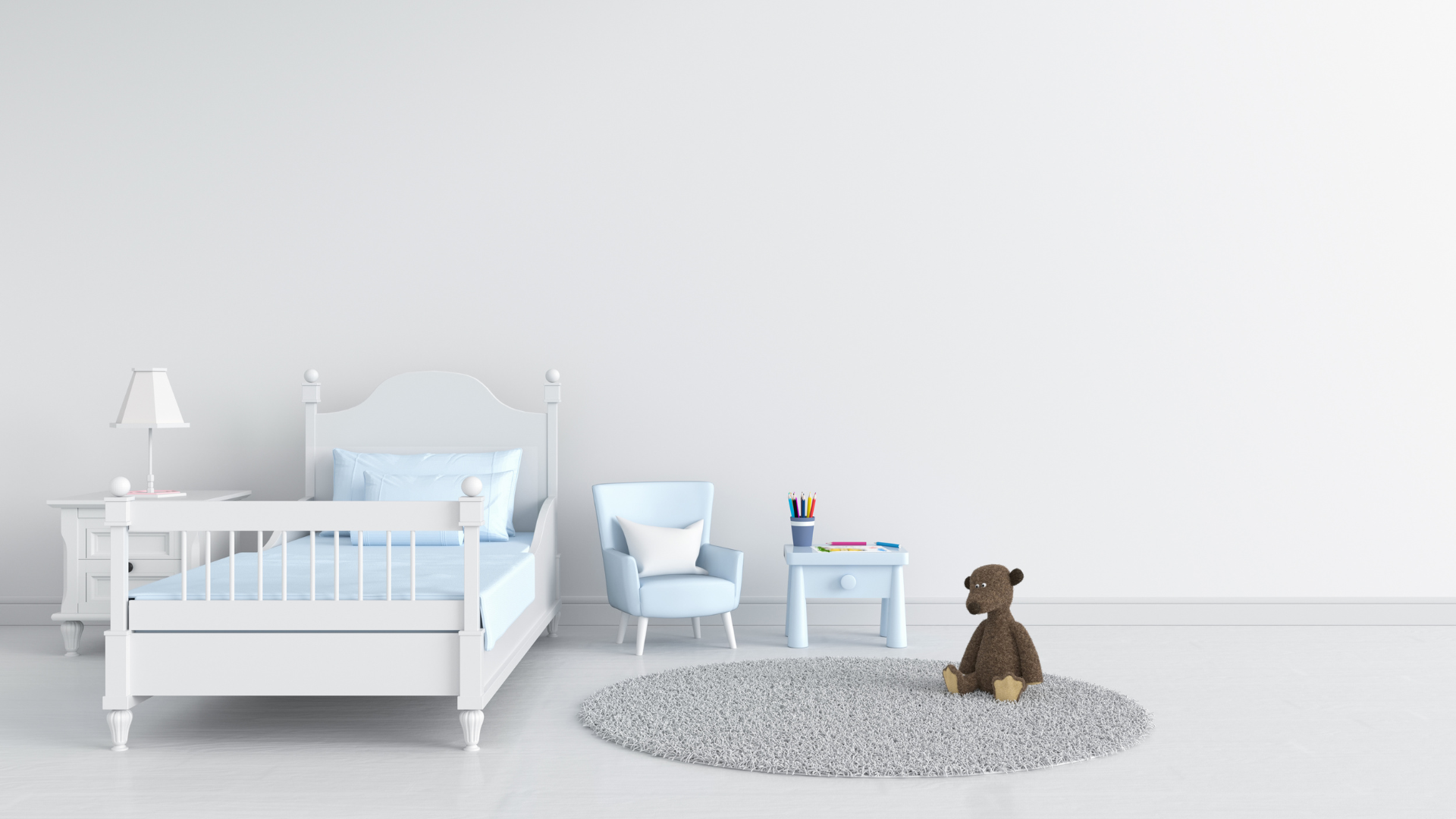
Designing a kids’ room requires careful consideration of both functionality and creativity. A well-designed space can inspire play, relaxation, and learning. To create a successful kids’ room, it’s essential to incorporate their interests, ensure safety, and allow for growth and flexibility.
Colors, furniture choices, and decorative elements play a significant role in setting the tone. Utilizing a mix of vibrant hues and practical storage solutions can help keep the space organized while maintaining a playful atmosphere. Designing with the child’s personality in mind fosters a sense of ownership and pride in their environment.
Safety should always be a top priority when designing a kids’ room. Selecting non-toxic materials, securing furniture to walls, and ensuring that all items within reach are safe will create a worry-free haven for exploration and creativity. Balancing fun and functionality is key to crafting a space that supports the child’s development and happiness.
Planning the Ideal Kids’ Room
Creating a functional and inviting kids’ room involves understanding the child’s needs and preferences, planning the layout effectively, and prioritizing safety and well-being. These elements contribute to a supportive environment tailored to a child’s development.
Assessing Needs and Preferences
Identifying the individual needs and likes of the child is crucial. Begin by engaging the child in discussions about their interests, favorite colors, and themes. This collaboration fosters a personal connection to the space.
Consider the child’s age and developmental stage. Younger children may require more play space, while older children might need areas for study or hobbies. A list of preferences can guide design choices and ensure the room reflects the child’s personality.
Key questions to ask include:
- What are their favorite activities?
- Do they have favorite characters or themes?
- How do they prefer their space to be organized?
Space Planning and Layout
Effective space planning maximizes both function and aesthetics. Measure the room dimensions and create a scaled floor plan. Consider furniture placement to allow for easy movement and access.
Furniture arrangement tips:
- Position the bed in a corner to create a cozy nook.
- Keep play areas clear to encourage creativity.
- Use vertical space with shelves for storage.
Incorporate flexible furniture, such as a convertible bed or a foldable desk, to adapt as the child grows. Additionally, ensure that common areas remain clutter-free to promote a calming atmosphere.
Integrating Safety and Well-Being Considerations
Safety is paramount in a child’s room. Choose furniture with rounded edges to minimize injury risks. Secure heavy items, like bookcases, to the walls to prevent tipping. Additionally, exposed electrical outlets and poorly lit areas are common safety concerns in a child’s room, as they increase the risk of shocks and trips. However, issues like these can be resolved by having an electrician sanford nc (or elsewhere) assess the room, install outlet covers, and add child-friendly lighting to ensure a safe environment.
Additional safety measures include:
- Use non-toxic paints and materials.
- Install window locks or guards.
- Ensure proper lighting to reduce accidents.
Moreover, consider the psychological aspects of design. Incorporate soothing colors and personal touches to enhance emotional well-being. Creating a cozy, safe environment promotes relaxation and play, supporting the child’s overall development.
Choosing the Right Style and Furniture
Selecting the right style and furniture is crucial in creating a functional and aesthetically pleasing kids’ room. A well-chosen design can inspire creativity and comfort while meeting practical needs. Focus on specific themes, functional furniture options, and the incorporation of natural materials.
Exploring Styles and Themes
When designing a kids’ room, it is essential to explore various styles and themes that reflect the child’s personality and interests. Popular themes include:
- Adventure: Incorporate elements like maps, animals, and exploration motifs.
- Fantasy: Use colors and decor that evoke a sense of wonder, such as fairy tales or outer space.
- Nature: Bring the outdoors inside with colors reminiscent of forests, oceans, or mountains.
Parents should also consider coordinating colors across furniture and accessories to create a cohesive look. Soft pastels or bright primary colors can enhance the overall atmosphere of the space. Depending on the age of the child, styles can evolve from playful to more sophisticated as they grow.
Selecting Functional Furniture
Functionality is key when choosing furniture for a kids’ room. Pieces should not only serve a purpose but also be durable and safe. Some important factors to consider include:
- Size: Ensure furniture is appropriate for the child’s age and height to promote ease of use.
- Multi-functionality: Look for beds with storage drawers or desks that can convert into play areas.
- Safety: Choose rounded edges and non-toxic finishes to guarantee safety during play.
Examples of essential furniture pieces include a sturdy bed, a versatile desk, and ample storage solutions such as shelves and bins. Creating a balance between function and style fosters an organized and enjoyable environment.
Incorporating Natural Materials
Natural materials contribute to a healthier and more inviting atmosphere in a child’s room. They are generally more sustainable and can be seamlessly integrated into various styles. Key materials to consider are:
- Wood: Opt for solid wood furniture for durability and a timeless appeal. It can add warmth and character to the space.
- Cotton and Linen: Use natural fabrics for bedding and curtains to enhance comfort and breathability.
- Bamboo: This eco-friendly option is lightweight and strong, making it ideal for shelving or decor.
Incorporating these materials not only improves air quality but also sets the foundation for a space that fosters harmony and creativity.
Maximizing Storage and Organization
Effective storage and organization are crucial in a kids’ room. By combining open and closed storage solutions and segmenting the space into zones for different activities, the room can remain tidy and functional.
Open and Closed Storage Solutions
Open storage provides easy access to frequently used items, making it ideal for kids. Shelves, baskets, and hooks are excellent options. They help children learn to put things away, promoting responsibility and independence.
Closed storage options, such as cabinets or bins, hide clutter and protect belongings. Utilizing multi-functional furniture, like ottomans with storage or beds with drawers, serves dual purposes. It ensures every item has its designated place.
Combining both types creates a balanced environment. For instance, a low bookshelf can display toys while a cupboard stores less attractive items. This approach keeps the room organized and visually appealing.
Creating Zones for Play, Study, and Rest
Dividing the room into distinct areas fosters a functional and enjoyable environment. The play zone should feature soft rugs and accessible toys, allowing children to engage in creative activities without cluttering other spaces.
A study area must have a dedicated desk and proper lighting. This encourages focus and productivity. Including adequate storage for books and school supplies is essential for maintaining order.
The rest zone should be cozy and calming. A comfortable bed or sleeping nook, with storage nearby for pajamas and bedtime stories, promotes good sleep habits. By clearly defining these zones, parents can create a harmonious room that meets all their child’s needs.
Leave a Reply