Author: Nuru

  • Keeping Your Home Happy: Simple Fixes Before They Become Big Problems

    Keeping Your Home Happy: Simple Fixes Before They Become Big Problems

    Homes don’t stay perfect all on their own. Even the nicest house can turn into a headache if little things are ignored. That’s why it’s smart to keep an eye out for small problems and fix them before they become giant ones. A house is sort of like a body — if one part goes wrong, it can mess up everything else.

    It might sound boring to check pipes, roofs, or windows, but doing those checks can save heaps of money and stress later on. No one wants a flood in the living room or a ceiling that suddenly falls in. Taking care of small repairs keeps a home safe, comfy, and looking good.

    The Trouble With Tiny Leaks

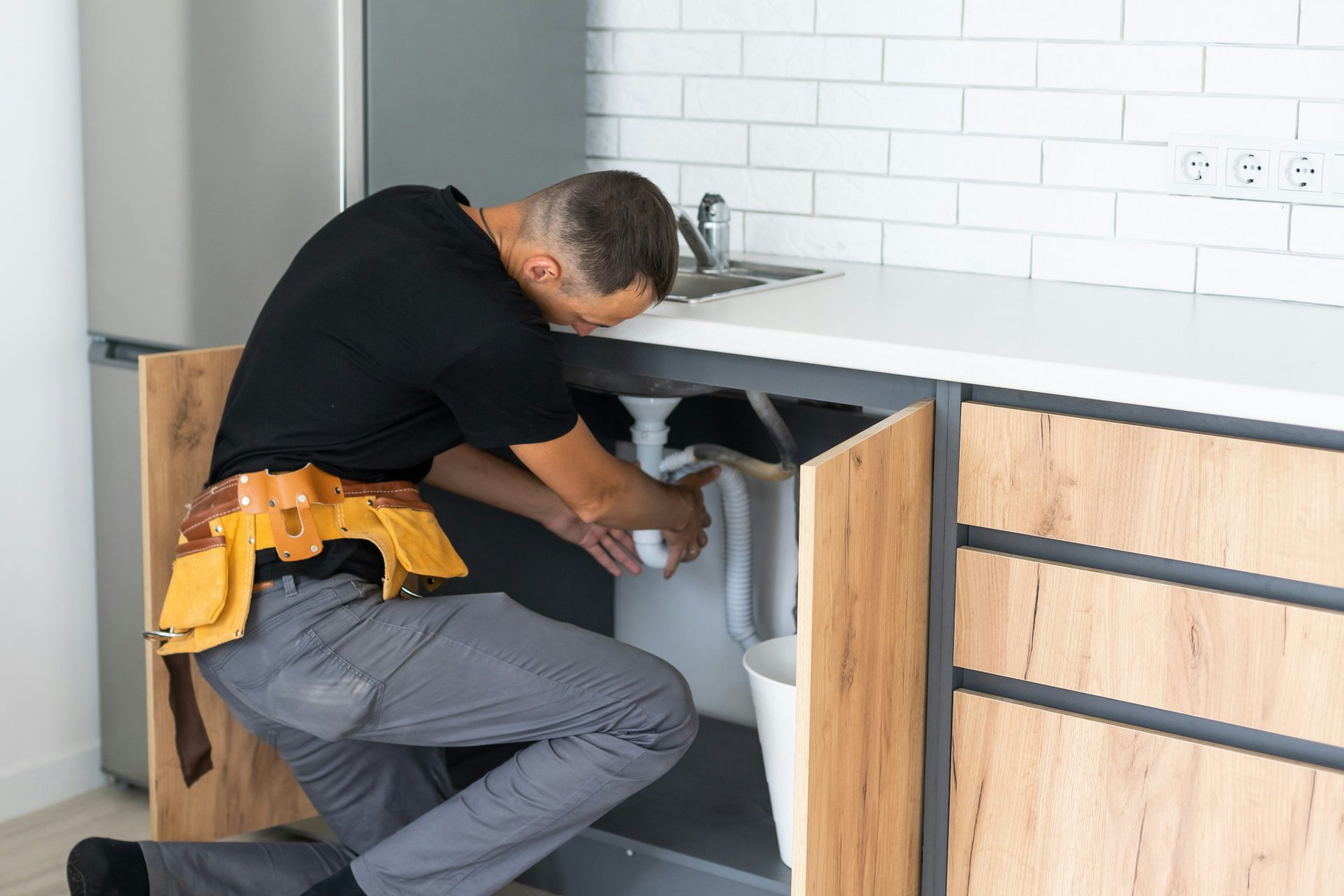
    A lot of home issues start off so small that they seem harmless. A few drips under a sink don’t look serious. But those drips might mean a pipe is loose or cracked. Water can slowly spread into wood, walls, or floors, making them rot or go moldy. Once mold starts growing, it’s not easy to get rid of and can make people sick.

    In some places, like Orewa, where the weather can be wet and humid, leaks are even more risky. Moisture loves to hide in walls or under floors, quietly doing damage. That’s why it’s smart to call someone who knows what they’re doing. Anyone searching for a good local option might check out a plumber orewa to help spot leaks or fix them properly.

    Stopping leaks early doesn’t just keep a house dry. It also saves a lot of money. Fixing a tiny leak costs way less than fixing floors, walls, or cabinets ruined by water.

    Don’t Ignore Strange Smells or Sounds

    Sometimes homes try to “talk” when something’s wrong. A weird smell could mean mold, gas leaks, or blocked drains. A gurgling sound in a drain might mean there’s a clog forming deep in the pipes. Bangs or knocks in the walls could come from loose pipes or even pests moving around.

    If something smells odd or sounds strange, it’s better to check it out. It might be nothing big. But leaving it alone can turn a small issue into a big, expensive problem. A blocked drain can back up and flood the house. A gas leak is dangerous for everyone inside. It’s always safer to call a pro than to hope the problem goes away.

    Roof Checks Matter More Than People Think

    Many folks don’t look at their roof until there’s water dripping onto the carpet. But the roof is one of the most important parts of any house. It keeps out rain, sun, and wind. Even small cracks or missing tiles let water sneak in. Water inside a roof can ruin insulation, damage ceilings, and cause mold.

    A quick roof check every few months is a good habit. Look for tiles that are broken, lifted, or missing. Check gutters too. If they’re full of leaves or dirt, water might spill over and run down walls. That water can get into the house or even weaken the home’s foundations.

    Fixing a couple of loose tiles costs way less than repairing a whole ceiling or roof structure. Plus, it stops surprises during big storms.

    Keep Windows and Doors in Good Shape

    Windows and doors do more than let people in or out. They help keep homes warm in winter and cool in summer. If they don’t close properly or have gaps around the edges, air sneaks in or out. That makes heaters and air conditioners work harder, costing more money on power bills.

    Old seals around windows can crack over time. Sometimes wood around windows and doors swells or shrinks because of weather. Checking them a few times a year helps spot problems before they turn into drafts, leaks, or even pests squeezing inside.

    A simple fix like new weather stripping can make a home feel cozier and save money at the same time.

    Floors Tell Stories, Too

    Floors might seem strong and solid, but they can hide secrets. A floor that feels bouncy or squeaks could mean water damage underneath. Tiles that lift up might signal moisture problems. Even carpets can hide mold if there’s been a leak or a spill that wasn’t cleaned up well.

    Paying attention to changes in the floor can stop bigger issues from spreading. It’s a good idea to lift up rugs or move furniture every now and then and check what’s underneath.

    Watch Out for Electrical Problems

    Electricity makes life so much easier. Lights, fridges, and computers all depend on it. But electrical problems are serious and can be dangerous. Flickering lights, outlets that feel hot, or switches that don’t work could mean wiring is faulty.

    It’s never a good plan to mess with wires without training. Calling an electrician is the safest way to handle any electrical worries. Fixing wiring early can stop fires and protect the whole family.

    Small Checks Save Big Money

    Doing small home checks might seem like a chore. But each tiny problem caught early means avoiding giant costs later. Imagine finding a leak under the sink and fixing it for a few dollars, instead of paying thousands to replace a kitchen floor. Or spotting loose roof tiles before rain floods the ceiling.

    Taking care of a home step by step also helps it stay valuable. If someone wants to sell their house one day, a place in good condition sells faster and for more money. Buyers notice things like solid floors, leak-free roofs, and windows that shut tight.

    Peace of Mind Feels Great

    Homes should feel safe and relaxing. It’s hard to enjoy a movie night or a weekend breakfast if water is dripping from the ceiling or lights keep flickering. Staying on top of little repairs brings peace of mind. There’s no constant worry about hidden surprises waiting to pop up.

    Even if a problem feels small, it’s worth looking into. A few minutes spent checking around the house can save hours of stress later. And if anything seems too tricky, there’s always a professional ready to help.

    Making Home Sweet Home Stay That Way

    Every home deserves a bit of care. Checking for leaks, cracks, smells, or squeaks keeps problems small. It helps families stay safe, comfy, and worry-free. A happy home is one where things work as they should, and nothing’s falling apart when no one’s looking.

    Little repairs might not seem exciting, but they’re the secret to keeping life running smoothly. After all, there’s nothing better than knowing a house is strong, dry, and ready for anything. Keeping an eye on small problems—and fixing them fast—makes sure a home stays a place full of good times instead of expensive surprises.
  • Are Shaggy Carpets Back? What’s Actually Trending in 2025

    Are Shaggy Carpets Back? What’s Actually Trending in 2025

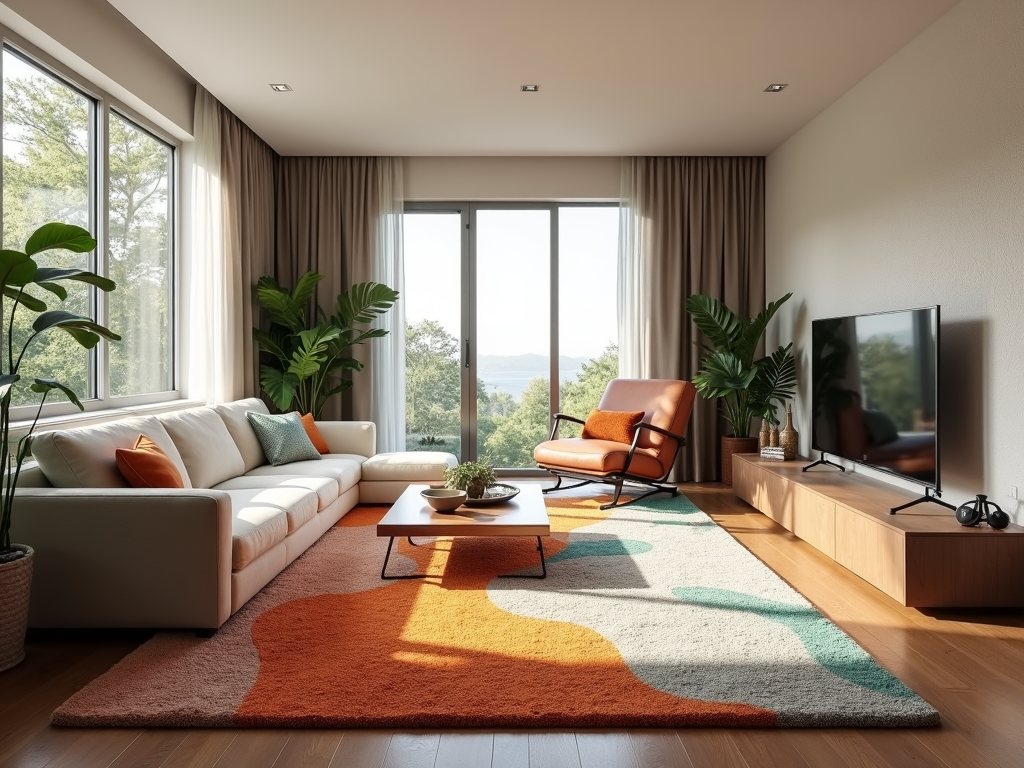
    Carpet isn’t just something you walk on. It sets the tone for a whole room. Whether it’s soft and cozy or smooth and low-key, the kind of carpet you choose can totally change how a space looks and feels. In 2025, people are really starting to notice how flooring affects the mood of a room—and carpet is having a bit of a comeback.

    You might be wondering: are those thick, shaggy carpets from the ’70s coming back? Or is something else trending this year? Let’s look at what’s actually popular now, and why people are making different choices for their floors.


    Texture Is a Big Deal Right Now

    In 2025, carpet trends are all about how it feels under your feet. Texture has become more important than ever. People want something soft but not too hard to clean. That’s where newer materials come in—modern carpets are being made with fabrics that feel plush but are easier to keep nice.

    One style that’s showing up in more homes is cut-and-loop carpet. It has both short and tall fibers, so it creates a cool pattern you can feel, not just see. It’s like having a soft rug with a little extra detail built in. Other people are going for carpets that have a velvety touch, which makes rooms feel warmer and more relaxed.

    So, is shag back? Sort of. Not the exact same kind from decades ago, but updated versions that are a bit shorter, easier to clean, and come in calm, modern colors. If you want something super soft and cozy, that kind of style is definitely showing up again.


    Patterns Are More Subtle but Still Stylish

    Patterns haven’t gone away, but they’ve changed a bit. Instead of really loud, bold designs, most 2025 carpets are using smaller, more natural-looking patterns. Think of soft waves, little diamond shapes, or designs that look kind of like woven fabric. These patterns don’t stand out too much, but they give the floor some life.

    This change is probably because people want their homes to feel peaceful. After a few stressful years, more homeowners want calm colors and simple designs instead of busy or loud ones. That’s why beige, soft grays, and light browns are everywhere right now.

    That said, some people still like to make a statement. A few bolder carpet styles use darker blues, greens, or even soft pinks to make rooms look a bit more exciting without feeling too bright. If that sounds like your thing, it’s a good time to try it.


    Eco-Friendly Carpets Are in Demand

    Something that’s becoming way more popular this year is eco-friendly flooring. More people are thinking about how their choices affect the planet, and carpet is part of that too.

    Many of the top 2025 carpet trends include styles made with recycled materials or fibers that come from plants. Some brands are using old plastic bottles to make new carpet threads. Others use wool or jute, which are both natural and break down more easily over time.

    People are also asking more questions about how carpets are made, whether they’re safe to breathe around, and how long they’ll last. So companies are making better products with fewer chemicals and stronger materials.

    If you’re interested in what’s trending this year, you can check out these updated ideas from experts on 2025 carpet trends. It’s a great way to see real examples and get inspired before making a choice.


    Carpet Tiles Are Gaining Popularity

    This might surprise you, but carpet tiles are starting to catch on, especially for people who want something easy to install or change later. These are square pieces of carpet that fit together to cover a room. If one section gets dirty or damaged, you can replace just that square instead of redoing the whole floor.

    They used to be mostly for offices, but now they’re designed to look way better and feel more like real carpet. Some even come in fun patterns that you can mix and match however you want. It’s a fun way to make a room look unique, and it’s also super practical.


    Carpet in New Places

    Another interesting trend is where people are putting carpet now. It used to be mainly in bedrooms or family rooms, but now it’s showing up in more surprising spots.

    Some people are adding carpeted areas to parts of the hallway or using it to frame certain zones in big open rooms. Others are layering area rugs on top of hardwood floors to get that soft feeling without covering the whole space.

    This shows that carpet doesn’t have to be everywhere. You can mix it with tile, wood, or vinyl and still stay on trend. The key is picking a texture or color that works with the rest of the room and makes it feel more comfortable.


    Final Thoughts: What’s Worth Trying?

    So, what’s actually trending in 2025 when it comes to carpet? It’s not just about looks. People care about comfort, the environment, and how easy something is to clean or change later.

    Updated shag carpet is one of the big surprises—it’s coming back in new ways that are stylish and way easier to deal with. Soft, natural colors, eco-friendly fabrics, and even carpet tiles are all part of what’s making floors look and feel better this year.

    If you’re thinking about changing the floors in your house, this is a good time to explore new options. Whether you want to go bold or keep it simple, there’s something trending in 2025 that probably fits your style.

    Let your feet decide what feels right. After all, they’re the ones walking on it every day.

  • How to Make Your Home Cosy Without Blowing the Budget

    How to Make Your Home Cosy Without Blowing the Budget

    Staying warm in winter or cool in summer shouldn’t mean emptying a wallet. Houses should feel comfortable all year, but heating and cooling can cost a lot. The good news is there are plenty of ways to keep a home cosy without spending heaps of money. It’s all about using smart tricks to help a house hold onto the warm or cool air where it’s needed most.

    The Hidden Power of Insulation

    One of the best secrets for a cosy home is insulation. Think of insulation as a big blanket for a house. It keeps heat out when the sun is blazing and traps warmth inside when it’s freezing. This means heaters and air conditioners don’t have to work as hard, which helps save on power bills.

    In places where the weather flips between hot and cold, insulation matters a lot. Take Melbourne, for example. The weather can change from sunny to chilly pretty fast. A good idea for people living there is to check out ceiling insulation melbourne to keep homes comfy without paying a fortune on energy bills.

    Ceiling insulation is especially important because heat rises. In winter, warmth tries to escape through the roof, and in summer, the sun’s heat comes pounding down. Batt insulation for the ceiling blocks this from happening, helping keep rooms the right temperature for longer.

    Blocking Out Drafts

    Another easy way to make a house snug is to stop cold or hot air sneaking in. Even small gaps around windows, doors, or floorboards let air slip through. When air leaks in or out, it makes heaters and coolers work harder, which uses more energy.

    Using door snakes, weather strips, or silicone sealant is cheap and simple. Door snakes are soft rolls that sit along the bottom of a door to block breezes. Weather strips fit around window or door frames and keep air from getting in. These small changes can make a big difference and keep a home feeling steady and comfortable.

    The Magic of Curtains and Blinds

    Curtains and blinds aren’t just there to look pretty. They help control the temperature inside a house. Thick curtains can block heat from the sun in summer and keep warmth in during winter. Closing blinds on hot days stops rooms from turning into ovens. Opening them when it’s cold lets the sun warm things up for free.

    Choosing heavier fabrics or thermal curtains can help even more. These have special layers that keep heat in or out, which means less money spent on running heaters or coolers.

    Rugs Make Rooms Cosy

    Hard floors can feel cold, especially in winter. Laying down rugs helps trap heat and makes rooms feel warmer. They also make feet happy because they’re softer to walk on than tiles or floorboards.

    Rugs don’t have to cost a lot. Many stores sell affordable options that look great and help make a space feel snug. Plus, rugs help with noise too, which can make a home feel calmer.

    Fans Aren’t Just for Summer

    Most people think ceiling fans are only for hot weather. But many fans have a little switch on them to reverse the spin. When the blades turn the other way, they push warm air down into the room instead of letting it hang near the ceiling. This helps keep rooms warm without cranking up the heater.

    Running a ceiling fan on low speed uses way less power than a heater or air conditioner. It’s a clever trick to stay comfortable and save money at the same time.

    Smart Ways to Use Heating and Cooling

    Sometimes, it’s not just about what equipment is used but how it’s used. Heating or cooling the whole house when only one or two rooms are in use wastes money. Closing doors to unused rooms helps keep the warm or cool air where it’s needed most.

    Setting the thermostat to the right temperature saves energy too. In winter, around 18-20°C is usually warm enough. In summer, setting the air conditioner around 24-26°C helps stay cool without using too much electricity.

    Let Fresh Air Help

    On days when the weather’s nice, opening windows and letting fresh air flow through the house helps keep it feeling good. Air moving through rooms pushes out warm air in summer or stuffy air in winter. This can cut down on how often heaters or coolers need to run.

    Fresh air is good for health too. It helps get rid of dampness or smells that can build up when a house is shut tight for too long.

    Small Changes Add Up

    Little changes around the house can save a surprising amount of money. Using LED light bulbs uses less power and gives off less heat than old-style bulbs. Turning off appliances at the wall stops them using tiny bits of electricity when not in use.

    Even things like cooking can help keep a home warm. Baking something in the oven and leaving the oven door open afterward lets leftover heat drift into the room. Every bit helps when trying to stay warm without spending extra.

    Saving Money Helps the Planet Too

    Keeping a home cosy isn’t just good for saving money. It’s good for the planet too. Using less energy means fewer greenhouse gases go into the air. This helps slow down climate change and keeps the environment healthier for everyone.

    Insulation, sealing up gaps, and using heating and cooling wisely all help lower the amount of energy a house uses. It’s a win-win because it saves money and helps take care of nature at the same time.

    A Cosy Home Is Possible on Any Budget

    Making a home feel warm in winter or cool in summer doesn’t always need fancy gadgets or big spending. Simple things like insulation, heavy curtains, rugs, and sealing gaps all work together to keep a house comfortable. Using fans smartly, letting in fresh air, and changing a few habits also help cut down on energy bills.

    No one wants to be freezing in winter or boiling in summer, but no one wants giant power bills either. Luckily, it’s possible to stay cosy without blowing the budget. It just takes a few smart moves to help a home hold onto the comfort everyone deserves.

    Key Takeaway: A cosy home isn’t about spending heaps of money. It’s about making smart choices, big and small, to keep warmth or cool air where it belongs. Small changes add up fast and can help save cash while making a home feel safe and comfortable. Why not share these ideas and chat about which ones to try next?

  • Easy Weekend DIY Projects for Beginners: Simple Ideas to Get Started

    Easy Weekend DIY Projects for Beginners: Simple Ideas to Get Started

    Many individuals seek creative ways to spend their weekends, and tackling DIY projects can be both rewarding and enjoyable. Easy weekend DIY projects for beginners provide an opportunity to spark creativity while enhancing a living space without overwhelming complexity. These projects often require minimal materials and tools, making them accessible for anyone looking to try their hand at crafting.

    From upcycling old furniture to creating simple home decor, there are numerous options that cater to various interests and skill levels. Each project serves as a chance to learn new skills and express personal style, all while enjoying a productive weekend. Whether it’s a small project in the garden or a room refresh, the possibilities are endless.

    Beginner DIY enthusiasts can find satisfaction in manageable tasks that fit within a single weekend. Engaging in these accessible projects fosters a sense of accomplishment and can lead to a deeper interest in home improvement and creativity. As they explore the various DIY options, the joy of creating something unique becomes a driving force for future endeavors.

    Getting Started With Easy Weekend DIY Projects

    Embarking on DIY projects can be rewarding and fun. Understanding the necessary tools, selecting suitable projects, and following safety measures will lead to a successful weekend undertaking.

    Essential Tools and Materials

    To start, gather basic tools such as a drill, hammer, screwdriver set, and measuring tape. These tools cover a wide range of projects.

    Basic materials include wood, nails, screws, and paint. It’s helpful to have a sturdy work surface like a workbench or table, along with safety gear such as gloves and goggles.

    Consider creating a checklist for your tools and materials to avoid last-minute shopping trips. This preparation simplifies project execution and ensures readiness for various DIY endeavors.

    Choosing Beginner-Friendly Projects

    Select projects that can be completed within a weekend. Simple items like a plant stand, shelf, or picture frame are excellent starters. These projects allow for creativity without overwhelming complexity.

    Make sure to read through tutorials beforehand. Clear instructions help avoid confusion during execution. Websites, videos, and DIY books offer diverse project ideas with varying skill levels.

    When feasible, pick projects that use similar tools and materials. This approach makes it easier to manage and switch between tasks, promoting efficiency and a smoother crafting experience.

    Safety Tips and Best Practices

    Safety should always be a priority. Wearing appropriate safety gear, such as gloves and goggles, protects against accidents. Ensure that the workspace is neat, with tools organized to avoid tripping hazards.

    It’s vital to follow specific safety guidelines for each tool. For instance, when using a power drill, keeping hands clear of moving parts prevents injury.

    Additionally, understanding how to handle power sources and materials properly contributes to a safer environment. When working with electrical tools outdoors or in larger spaces, using a 12 gauge extension cord can provide stable power delivery and reduce the risk of overheating. Always ensure cords are in good condition, placed away from high-traffic areas, and suitable for the tool’s power requirements.

    Simple Home Décor Ideas for Beginners

    Home décor can be personalized easily with a few simple DIY projects. These ideas provide beginners with the perfect opportunities to enhance their living spaces without spending much.

    Creating a Custom Picture Frame

    Making a custom picture frame is an engaging project that can transform photos into art. Start with an inexpensive wooden frame, which can be found at craft stores.

    Materials Needed:

    • Wooden frame
    • Paint or wood stain
    • Decorative elements (e.g., washi tape, stickers)

    Begin by painting or staining the frame in a color that complements the room. After it dries, add decorative elements to personalize it further.

    Finally, insert a favorite photo to complete the transformation. This project not only showcases memories but also serves as a unique décor piece.

    DIY Wall Hanging Projects

    Wall hangings are ideal for adding character to any space. Beginners can easily create various styles using simple materials.

    Common Materials:

    • Yarn
    • Wooden dowels
    • Fabric or canvas

    To start a basic yarn wall hanging, cut several strands of yarn to the desired length. Secure them to a wooden dowel using a knot.

    From there, she can weave and loop the yarn to create patterns unique to her taste. This technique allows for creativity while adding texture and warmth to walls.

    Decorative Plant Holders

    Plant holders can breathe life into a room, making it feel vibrant. Many beginners can craft their own holders from basic materials, ensuring they fit their style.

    Suggested Supplies:

    • Macramé cord or rope
    • Wooden or ceramic pots
    • Scissors

    Creating a macramé plant holder starts with cutting several lengths of cord. Knot the cords to form a cradle for the pot.

    This allows the holder to hang in a window or from a ceiling hook. Adding plants not only enhances aesthetics but also improves air quality in the home.

    Easy Projects to Refresh Your Living Space

    Refreshing a living space can be achieved with simple DIY projects that enhance functionality and aesthetics. By upcycling everyday items and creating personalized storage solutions, one can make impactful changes without extensive time or financial investment.

    Upcycling Everyday Items

    Upcycling is a creative way to give new life to items that may otherwise be discarded. Common household objects can be transformed into decorative or practical pieces.

    • Glass Jars: Cleaned and painted, these can serve as stylish vases or storage containers.
    • Old Furniture: Sanding and repainting or re-staining can revitalize a worn piece while adding a personal touch.
    • T-Shirts: Cut and braided, old shirts can be turned into decorative throw pillows or wall hangings.

    These projects not only reduce waste but also allow for personal expression in design. Each transformed item contributes to a unique living space.

    Personalized Storage Solutions

    Creating storage solutions tailored to specific needs can greatly enhance organization in a living area. Simple projects can address clutter while showcasing personal style.

    • Customized Shelving: Using wood or crates, one can craft shelves that fit perfectly in available spaces.
    • Labeling Bins: Clear or decorative bins can be labeled for easy identification, improving functionality.
    • Hooks and Racks: Installing hooks for bags or coats not only saves space but also adds an artistic element.

    These practical solutions enable one to maintain an orderly environment while reflecting individual tastes. Each project can contribute to a more inviting living space.

  • How to Choose the Right Kitchen Cabinets for Your Cooking Style

    How to Choose the Right Kitchen Cabinets for Your Cooking Style

    Your kitchen cabinets are more than just storage. They’re a key part of how you move, cook, and function in the kitchen. Choosing the right ones isn’t just about colour or style — it’s about what actually works for the way you cook.

    Whether you whip up quick dinners or go all out with gourmet creations, the cabinets you choose should support that. So, how do you match your cabinets to your cooking style without getting overwhelmed?

    Start With Your Cooking Habits

    Before thinking about finishes or designs, look at how you actually use your kitchen. Be honest about your habits.

    Minimal cooking – If you mostly reheat, order in, or prep simple meals, you likely won’t need excessive cabinetry. Focus on a clean, uncluttered look with basic storage needs.

    Family-focused meals – Cooking for a household means more ingredients, more cookware, and more dishes. You’ll need efficient storage and layout.

    Meal prep and batch cooking – If you like to prepare food in bulk, cabinet space becomes essential. Think of zones for dry goods, containers, and appliances.

    Baking enthusiast – You’ll benefit from drawers that fit baking trays, deep pull-outs for flour and sugar containers, and space for stand mixers and tools.

    Gourmet or experimental – If your kitchen is your creative space, your cabinets need to support a wide range of tools, spices, oils, and specialty items, all within reach.

    Understanding your cooking rhythm makes it easier to plan a layout that genuinely helps, rather than one that looks good but feels frustrating when you’re in the middle of making dinner.

    Cabinet Styles That Work With Function

    It’s easy to get distracted by glossy finishes or trendy colours when choosing the best kitchen cabinets, but design should follow function. Some cabinet styles are better suited to specific needs. So, let’s take a look at some of the best options.

    Shaker Cabinets

    Classic and versatile. Their simple design works in most kitchens. Because of their recessed panels, these cabinets hide fingerprints well, which is great if you cook a lot or have kids.

    Flat-Front Cabinets

    These have a sleek, modern look and are easy to wipe clean. Perfect for people who want a low-maintenance kitchen and do regular cooking. No crevices means less grime build-up.

    Glass-Front Cabinets

    These suit someone who’s highly organised or wants to showcase attractive dishes or ingredients. They’re not great if you hate visual clutter or prefer everything hidden away.

    Open Shelving

    Not technically a cabinet, but many kitchens include it. It works well for frequently used items like oils or spice jars. But if you cook with a lot of ingredients, open shelves can become chaotic fast.

    Pull-Out Drawers and Deep Storage

    If you do serious cooking, consider drawers over lower cabinets. It’s much easier to see and grab pots, pans, or small appliances without crouching down and digging around in the dark.

    Think About Workflow

    This part is often overlooked. Cabinets should help you move naturally through your kitchen. Think about the flow of cooking: where you prep, where you cook, where you clean.

    Some things to consider:

    • Store your most-used items close to your prep area
    • Place spices and oils near the cooktop or oven
    • Keep plates and bowls near the dishwasher for quicker unloading
    • Use vertical dividers for cutting boards and baking trays
    • Opt for pull-out bins or recycling units in a cabinet near the prep zone

    Even small shifts in placement can make a big difference in how fluid your cooking experience feels.

    Don’t Forget the Inside of the Cabinets

    The outside might be beautiful, but the inside matters just as much. The internal fittings can make or break the efficiency of your storage.

    Here’s where thoughtful features come in handy:

    • Pull-out spice racks – Great for cooks who use a wide range of spices
    • Lazy Susans – Perfect for corner cabinets that usually waste space
    • Vertical storage inserts – Good for trays, chopping boards, and baking sheets
    • Lift-up appliance shelves – Ideal for storing bulky mixers and blenders without giving up bench space
    • Soft-close hinges and drawer glides – Not just a luxury, these reduce noise and wear over time

    The best cabinets do the heavy lifting quietly. When your storage is intuitive, you spend less time searching and more time cooking.

    Choose Materials That Suit Your Usage

    All materials are not created equal. If you cook regularly, steam, grease, and heat will be part of your kitchen environment. Your cabinets need to hold up.

    Here’s a quick comparison to help guide your decision:

    Laminate – Durable and easy to clean. Great for heavy-use kitchens but can peel over time if poorly made.

    Solid wood – Warm and traditional. Holds up well, but requires a bit more care to prevent warping or staining.

    Thermofoil – Gives a smooth finish and is quite resistant to moisture, but can be sensitive to high heat.

    Painted surfaces – Visually striking, but may chip over time if you’re constantly opening and closing doors.

    Always ask how the materials will respond to heat, humidity, and regular cleaning. A great finish isn’t worth much if it can’t handle a busy cooking routine.

    Design Should Help You Cook

    A well-designed kitchen isn’t about following trends. It’s about choosing cabinets that match how you cook and live. When you open a drawer and find exactly what you need, or reach for a saucepan without shifting three others out of the way, that’s when good design proves its worth.

    Cabinets aren’t just storage. They’re part of the cooking experience. They should make things smoother, cleaner, and more enjoyable.

    Your Kitchen, Your Rules

    At the end of the day, the right cabinets are the ones that work for you. They should reflect how you move in your kitchen and support the meals you love to make. Focus on layout, internal features, and materials before worrying about colours or door styles. Get those basics right and you’ll enjoy a kitchen that feels as good as it looks.

  • Common Garage Door Repairs: What You Need to Know

    Common Garage Door Repairs: What You Need to Know

    When it comes to maintaining a home, there are certain things we don’t always pay attention to until they break. Your garage door is one of those crucial yet often overlooked features. It’s easy to forget that a garage door is more than just a large moving panel. It’s a complex system with many components that can experience issues over time.

    If your garage door is malfunctioning or simply not working the way it should, it’s important to understand what repairs might be needed. Whether it’s a simple fix or something more complicated, knowing what can go wrong and how to address it can save you time, money, and frustration.


    1. Broken Springs – A Common Culprit

    One of the most common issues homeowners face is a broken garage door spring. These springs carry the heavy lifting, supporting the door’s weight every time it opens or closes. Over time, they wear out or snap, especially if the door is used frequently.

    If your door is stuck, opening unevenly, or making loud noises, it might be time to take a closer look. For safe and reliable service, it’s smart to contact a local professional with experience in installing and repairing garage doors Hoover Alabama. They’ll have the tools, training, and experience to get your door working smoothly again without the risks that come with attempting spring repairs yourself.


    1. Misaligned Tracks – A Silent Trouble

    Your garage door operates smoothly on tracks that guide it during opening and closing. If the tracks become misaligned or bent, the door may struggle to open or close properly. Misalignment can also cause the door to get stuck mid-operation.

    This issue can arise due to various reasons, such as an impact to the door or regular wear over time. If your door is making strange noises or failing to move along the track, it’s likely due to this problem. Misaligned tracks should be fixed by a technician to ensure that the door functions safely and effectively.


    1. Damaged Panels – Aesthetic and Functional Impact

    Sometimes, the garage door might suffer physical damage due to weather, accidents, or even general wear. If the panels become dented or cracked, it not only affects the appearance but also the door’s ability to function.

    If a panel is damaged, it may cause gaps that let air, moisture, or debris enter the garage. This can lead to further damage over time and compromise the security of your home. While minor damage may be repairable, severe damage to panels often requires replacement to maintain both the door’s functionality and aesthetic appeal.


    1. Faulty Garage Door Openers – A Technology Issue

    Modern garage doors rely on openers that use a system of motors and sensors to operate. When the opener fails, it can be a frustrating experience, especially if you rely on it for daily access. Common issues with openers include a malfunctioning motor, faulty circuit board, or problems with the sensor alignment.

    If the opener is not responding, it’s important to first check the power supply and remote control batteries. If these seem fine, the issue could be with the opener’s mechanics, requiring professional attention. Depending on the problem, it may be a matter of reprogramming, replacing the motor, or adjusting the settings.


    1. Worn-Out Rollers – A Smooth, Quiet Ride

    Rollers play a crucial role in ensuring that your garage door operates smoothly and quietly. Over time, these rollers can wear down or become damaged, causing the door to operate loudly or jerkily.

    Signs of worn-out rollers include loud grinding noises or jerky movements when opening or closing the door. If the rollers are made of metal, they can rust, while plastic rollers can crack. It’s important to replace worn-out rollers to prevent further damage to the door’s tracks and ensure smoother operation.


    1. Broken Cables – A Hidden but Dangerous Problem

    Garage door cables are responsible for keeping the door in place and helping to lift the door’s weight when it’s in motion. If these cables snap, it can cause significant damage to the door or even lead to injury.

    A broken cable often occurs due to excessive wear or stress on the system. If the door looks unbalanced or won’t open properly, it could be a sign that the cables are damaged. This is a repair that should always be left to professionals, as the cables are under significant tension, and improper handling can be dangerous.


    What Can You Do to Prevent These Issues?

    While some garage door issues are inevitable due to age and use, regular maintenance can help prevent many of these problems. A few simple practices can extend the lifespan of your garage door and reduce the need for major repairs:

    • Regular inspections – Check the door for signs of wear, including rust, dents, and loose components.
    • Lubrication – Keep the moving parts, such as the springs, tracks, and rollers, well-lubricated to reduce friction and wear.
    • Tighten loose bolts – Over time, bolts can become loose, causing parts to move out of alignment.
    • Test the safety features – Ensure that the automatic reversing system works correctly to prevent accidents.


    When to Call a Professional

    While some minor repairs can be handled yourself, many garage door issues are best left to professionals. If you’re unsure about the problem or if the repair requires specialized tools, it’s safer to call in an expert. Attempting a repair on your own, especially with parts under tension, can lead to further damage or injury.

    Garage door repairs can vary in complexity, but addressing them early can save you from costly replacements. Regular maintenance and prompt attention to any issues can keep your garage door functioning properly for years.


    The Hidden Importance of Your Garage Door

    Garage doors are not just a convenience; they’re an essential part of your home’s security and curb appeal. Ensuring that it’s well-maintained and operating properly can help keep your home safe, increase the value of your property, and make your life easier. So, the next time you hear a strange noise or notice something off with your garage door, don’t ignore it. Taking action now can save you a lot of hassle later on.

  • 7 Clear Signs You’ve Found a Plumber You Can Actually Trust

    7 Clear Signs You’ve Found a Plumber You Can Actually Trust

    It’s not hard to find a plumber. A quick search brings up dozens. The real challenge is figuring out who’s actually worth letting into your home. Plumbing issues aren’t just about leaks or blocked drains. It’s about peace of mind, safety, and knowing the person handling it is competent and honest.

    If you’ve ever felt unsure about hiring someone for a repair job, you’re not alone. So let’s cut through the fluff and look at the real signs that show you’ve found the right local plumber: someone dependable, experienced, and straightforward.

    1. They show up on time, every time

    This one might seem basic, but it says a lot. If a plumber respects your time enough to show up when they say they will, that’s a strong early indicator of professionalism.

    Things don’t always go perfectly in any trade, but when someone keeps you updated and communicates clearly if they’re running late, that’s even better. It shows they value your schedule and aren’t just trying to squeeze in as many jobs as possible.

    2. They give clear, written quotes without pressure

    Trustworthy local Auckland plumbers don’t dance around pricing. They inspect the problem properly, explain what needs to be done, and give you a written quote that’s easy to understand. No vague language. No last-minute surprises.

    What’s even more important? They give you space to think. You’re never rushed into making a decision. The best plumbers know their work speaks for itself, so they’re not in a hurry to force a sale.

    3. You feel like they’re solving the actual issue

    This one matters more than people realise. It’s not about how fast someone works or how much jargon they throw around. The real test is whether they’re focused on fixing the root cause, not just patching things up temporarily.

    When you ask questions, they answer them clearly. They explain what went wrong, how they’ll fix it, and what you can do to avoid the same problem in future. That kind of transparency builds confidence quickly.

    4. Their work area stays clean and safe

    Plumbing jobs can get messy, but a good plumber respects your space. They take care to protect the area they’re working in, clean up afterwards, and make sure you’re not left with a disaster zone once the job’s done.

    It might seem like a small detail, but it’s a sign of someone who takes pride in their work. If they’re neat and careful in how they treat your home, chances are they’re just as precise with the work you can’t see behind the walls or under the floor.

    5. They’re licensed, insured, and happy to prove it

    This one should never be optional. Any plumber working on your property needs to be fully licensed and insured. Not just for your safety, but theirs too.

    What sets great plumbers apart is how open they are about it. They won’t act offended if you ask. They’ll gladly show proof and explain what those credentials mean. It shows they’re serious about their trade and have nothing to hide.

    Here are some other professional traits you’ll often see in genuinely trustworthy plumbers:

    • Years of experience – They’ve handled a wide range of problems and know how to adapt quickly.
    • Strong communication – They update you clearly at each step without making it overly technical.
    • Professional appearance – They arrive in a clean uniform, with the right equipment, and carry themselves respectfully.
    • Upfront about costs – There are no “extras” slipped in at the end. You know what you’re paying for from the beginning.
    • Respects your decisions – No pressure to accept extra services or upgrades you didn’t ask for.

    6. Past customers recommend them without hesitation

    You might not hear this directly unless someone refers them to you. But often, you’ll find that the best plumbers are the ones who’ve quietly built a strong word-of-mouth reputation.

    It’s not about flashy advertising or big promises. It’s about consistency. When a local plumber has clients who keep coming back — and sending their friends too — that’s a clear sign they’re doing something right.

    If you do end up reading online reviews, look beyond the star ratings. Read how they respond to feedback. Do they stay professional, even with criticism? That can tell you a lot about their character and how they treat people when things don’t go perfectly.

    7. They follow up after the job

    A plumber who checks in after a job is finished stands out. It doesn’t need to be anything formal. A simple call or message to make sure everything’s working properly is enough.

    This shows they care about long-term satisfaction, not just ticking off another job. It’s also a chance for you to ask any follow-up questions, especially if something’s still unclear. That level of attention is rare, but when you find it, it’s worth holding on to.

    How to trust your gut (and your common sense)

    Sometimes, all the technical qualifications in the world don’t mean much if something just feels off. Maybe the plumber was pushy, avoided eye contact, or didn’t seem to listen. Maybe the quote changed halfway through the conversation without a good reason.

    That instinct is worth listening to. Trust is built not only through credentials but through how someone interacts with you from the first phone call.

    Look for the ones who:

    • Take the time to listen before offering solutions
    • Stay calm and patient, even with basic questions
    • Explain things without making you feel stupid
    • Deliver on what they promise, when they promise it

    These traits are what set great tradespeople apart from the rest. And while qualifications and reviews help, it’s these day-to-day behaviours that show you’ve found someone dependable.

    Not Just a Fix, a Go-To Contact

    Finding a plumber you trust isn’t just about solving one emergency. It’s about building a relationship with someone you can call whenever a plumbing issue pops up, whether it’s urgent or not.

    The right local plumber makes life easier. You don’t have to second-guess the quote, worry about whether they’ll show up, or wonder if they did the job properly. You know, because they’ve proven it through every part of the experience.

    That’s not just good service. That’s peace of mind.

  • Home Decor Mistakes You Need to Avoid for a Stunning Space

    Home Decor Mistakes You Need to Avoid for a Stunning Space

    Many individuals unknowingly make common mistakes in home decor that can detract from the aesthetic and functionality of their spaces. Being aware of these pitfalls can significantly enhance the overall appeal of a home. Recognizing issues like poor furniture placement or overwhelming color palettes can transform an ordinary room into one that feels inviting and well-designed.

    A few common errors often arise during the decorating process. For instance, neglecting scale and proportion can lead to a disjointed look. Additionally, a lack of cohesion in style can make a space feel cluttered and uninviting.

    By identifying these mistakes early, homeowners can create a cohesive and stylish environment. Avoiding overcrowded spaces and mismatched furniture styles will help in achieving a more harmonious home. This guidance can lead to a more enjoyable living experience and a visually appealing atmosphere.

    Common Home Decor Mistakes to Avoid

    Many people face challenges in creating harmonious and functional spaces. Common mistakes in home decor include poor lighting, neglecting organization, and misjudging scale and proportion. Addressing these issues can significantly enhance any living space.

    Neglecting Proper Lighting

    Lighting plays a crucial role in home decor. Relying solely on overhead fixtures often results in a flat and uninviting atmosphere.

    Key considerations for effective lighting:

    • Layering: Incorporate ambient, task, and accent lighting to create warmth.
    • Natural light: Utilize windows to maximize daylight and improve mood.
    • Bulb choice: Select bulbs with appropriate brightness and color temperatures to complement the room’s design.

    Investing in good lighting can transform a space, bringing attention to decor elements while ensuring functionality.

    Overlooking Clutter and Organization

    Clutter detracts from the beauty and functionality of any space. Disorganized areas can feel chaotic and overwhelming, making it easy to overlook design elements.

    Strategies to manage clutter:

    • Regular decluttering: Set aside time to evaluate items and eliminate the unnecessary.
    • Storage solutions: Utilize baskets, shelves, and cabinets to keep items organized and out of sight.
    • Mindful decor choices: Choose decor that serves a purpose while contributing to a cleaner aesthetic.

    Keeping spaces organized not only enhances decor but also promotes a sense of calm.

    Ignoring Scale and Proportion

    Scale and proportion are essential to achieving balance in interior design. Selecting furniture that is too large or too small can disrupt visual harmony in a room.

    Tips for ensuring proper scale:

    • Measure: Take accurate measurements of both space and furniture before purchasing.
    • Visual balance: Consider how different pieces relate to each other in size and shape.
    • Test arrangements: Experiment with different layouts to determine what feels most comfortable and visually appealing.

    Being mindful of scale and proportion ensures that decor works cohesively, creating an inviting environment.

    Fundamental Interior Design Principles

    Understanding fundamental interior design principles is essential for creating a harmonious and inviting space. Key aspects include establishing a cohesive color scheme and creating effective focal points. These elements play a significant role in transforming a room’s ambiance and functionality.

    Establishing a Cohesive Color Scheme

    A well-thought-out color scheme helps unify a space. It is important to choose a palette that reflects personal style while considering the room’s purpose.

    • Choose a Base Color: Start with a neutral shade as the foundation. This can be complemented with bolder colors for accents.
    • Use the Rule of Three: Limit the color palette to three main colors. This approach balances visual interest without overwhelming the space.
    • Consider Lighting: Natural and artificial light affect how colors appear. Test paint samples in different lighting to ensure they work harmoniously throughout the day.
    • Create Visual Flow: Transition colors smoothly between rooms to maintain a sense of continuity.

    By focusing on these elements, individuals can design spaces that evoke the desired mood and style.

    Creating Effective Focal Points

    Focal points serve as the centerpiece of any room. Identifying and designing around a primary focal point can greatly enhance interior aesthetics.

    • Identify the Key Feature: This may be a fireplace, artwork, or a piece of furniture. It should draw attention immediately upon entering the space.
    • Scale and Proportion: Select focal points that are in proportion to the room’s size. An oversized piece can overwhelm a small room, while a tiny detail may get lost in a large area.
    • Accessorize Thoughtfully: Surround the focal point with complementary decor. This supports the feature without diverting attention away from it.
    • Create Balance: Distribute visual weight evenly around the focal point to create harmony in the design.

    By emphasizing focal points, she can create inviting environments that feel both cohesive and well-planned.

    Lighting and Window Treatment Errors

    Avoiding mistakes with lighting and window treatments can significantly enhance the atmosphere and functionality of a space. By understanding common pitfalls, one can create an inviting and well-lit home.

    Missing Opportunities for Natural Light

    Natural light plays a crucial role in enhancing the mood and appearance of a room. Failing to maximize this element often leaves spaces feeling cramped or dull. Homeowners who want to boost daylight and improve room proportions can explore professional Window installation service in Naperville (or elsewhere) to replace or resize openings and ensure the right glass and framing are chosen for style and energy efficiency.

    • Placement of Furniture: Large furniture pieces should not obstruct windows. Position them thoughtfully to allow sunlight to flow freely.
    • Window Size: Opting for smaller windows limits light. Consider enlarging existing windows or adding additional ones if possible.
    • Use of Mirrors: Strategically placing mirrors reflects light and can create an illusion of more space. This subtle addition amplifies natural lighting significantly.

    Improper Window Treatment Choices

    Choosing the wrong window treatments can significantly reduce the positive impact of natural light in a space. Window treatments do not always need to be heavy or rigid, there are user-friendly options that provide both style and functionality, such as perfect fit shutters by ShuttersUp. These solutions are designed for easy installation and smooth everyday operation, making them simple for anyone to adjust as lighting needs change. Other convenient alternatives include roller blinds, venetian blinds, and lightweight curtains, which allow for effortless movement and minimal upkeep. However, before selecting a solution, it is important to consider the following factors to choose the best option for each window.

    • Material Selection: Light, sheer fabrics allow sunlight to filter through while maintaining privacy. Dark, heavy curtains can make a room feel much smaller.
    • Style and Functionality: Treatments should not only match décor but also function effectively. Blinds, shades, and curtains need to provide the desired amount of light control.
    • Layering Options: Layering different types of treatments, such as sheer curtains with heavier drapes, can offer versatility. This allows the user to adjust light levels throughout the day.

    Not Using Accent Lighting Effectively

    Accent lighting adds depth and interest to a room. Failing to incorporate it often results in flat, uninviting spaces.

    • Types of Accent Lighting: Use floor lamps, wall sconces, or table lamps to create highlights. This draws attention to specific areas, such as artwork or architectural features.
    • Layering Light: Combine ambient, task, and accent lighting for a complete lighting scheme. Each layer works harmoniously to enhance the overall aesthetic.
    • Placement: Position accent lights strategically to avoid harsh shadows. Properly placed lights enhance features and give the room a more three-dimensional feel.

    By addressing these lighting and window treatment errors, one can significantly improve the appeal and functionality of any home.

    Advanced Home Decor Guidance

    Navigating advanced home decor requires attention to current trends and a balance between aesthetic choices and practical needs. The following points emphasize common pitfalls and crucial considerations.

    Avoiding Outdated Decorating Trends

    Home decor trends evolve rapidly. To maintain a contemporary feel, it’s essential to avoid outdated styles that can make spaces look stale.

    Key outdated trends:

    • Overly ornate furniture: Simplicity often feels more modern.
    • Heavy drapery: Opt for lighter fabrics or blinds for a fresh look.
    • Matchy-matchy decor: Mixing styles and colors can add personality and depth.

    Staying informed about current trends through design magazines or social media can help identify what to avoid. Making informed choices ensures that the space reflects current aesthetics rather than a bygone era.

    Balancing Personal Style With Function

    Decorating should reflect personal taste while remaining functional. It’s important to assess how each item fits the lifestyle and needs of the household.

    Effective strategies include:

    • Assessing space requirements: Ensure furniture scales appropriately to the room size.
    • Choosing durable materials: Select items that endure daily use without sacrificing aesthetics.
    • Incorporating versatile designs: Furniture that serves multiple purposes can enhance functionality.

    Striking this balance allows for a harmonious living environment that functions well while expressing individuality. Thoughtfulness in selection can lead to both beautiful and practical outcomes in decor.

  • Outdoor Stair Lifts: What They Are, Who Needs One, and What to Know Before You Buy

    Outdoor Stair Lifts: What They Are, Who Needs One, and What to Know Before You Buy

    Imagine struggling to reach your own garden, front porch, or garage just because of a flight of stairs. That’s the reality for many people living with reduced mobility. And while indoor stair lifts are relatively common, outdoor ones can be a game-changer too.

    Let’s get real for a moment. Losing the ability to move freely outside your home doesn’t just make things inconvenient. It chips away at your independence. That’s where outdoor stair lifts come in.

    So, what are they exactly?

    What is an Outdoor Stair Lift?

    An outdoor use stair lift is a motorised chair that travels along a rail fitted to an outdoor staircase. It allows someone to sit down at the bottom or top of the stairs, press a button, and be carried up or down safely.

    Just like indoor stair lifts, they’re designed to support people who find stairs physically difficult or unsafe. The main difference? These ones are made for the outdoors. They’re built to handle the elements — rain, wind, sun and even snow — without compromising safety or performance.

    The chair, rail, motor, and controls are all weather-resistant. Some come with covers to protect the seat and components when not in use, and materials are chosen specifically to resist rust and damage from UV exposure.

    Who Actually Needs One?

    Not every household needs an outdoor stair lift, but there are plenty of situations where it makes a real difference.

    Ageing in place
    If someone wants to stay in their home as they age, but they have steps at the front, back or side of the house, a stair lift can be a smart solution. It makes the property more accessible without expensive renovations.

    Mobility issues
    Whether from a temporary injury, a long-term condition like arthritis, or a disability, outdoor stairs can become risky. A stair lift takes that risk out of the equation.

    Carers or family support
    For people looking after someone with reduced mobility, an outdoor stair lift can ease both physical strain and emotional stress. It means fewer worries about falls and fewer struggles with lifting or guiding someone up or down the stairs.

    Multi-level gardens or sloped homes
    Not every outdoor space is flat. If your property has a split-level garden, a steep path or stairs leading to key outdoor areas like a clothesline, garage or shed, a lift can make the entire property usable again.

    Post-surgery recovery
    Even if it’s just for a few months, surgery recovery often limits mobility. A temporary or permanent outdoor stair lift can help someone keep their independence during that period.

    Not Just for the Elderly

    There’s a common misconception that stair lifts are only for older adults. That’s simply not true. Anyone with a physical challenge that makes stairs difficult can benefit, regardless of age. Conditions like multiple sclerosis, recovery from a broken leg, or long COVID symptoms can all be factors.

    What to Consider Before Buying

    It’s not quite as simple as picking one and getting it installed. There are a few important things to think about before going ahead.

    Stair type
    Is your staircase straight or curved? Outdoor stair lifts can work for both, but the cost and installation process will vary. Straight stairs are generally cheaper and quicker to set up. Curved ones usually require custom-built tracks.

    Power source
    Most stair lifts run on batteries that charge from a mains connection. That way, they’ll still work during a power outage. Make sure the outdoor model you choose is compatible with your home’s setup and has easy access to power.

    Weight capacity
    Don’t assume all stair lifts are the same. Double-check the maximum weight limit to make sure it fits the needs of the person using it.

    Weatherproofing
    Sounds obvious, but it’s crucial. Some cheaper models might claim to be outdoor-friendly but aren’t truly made to last in harsh weather. Look for sealed controls, rust-resistant frames, and waterproof covers.

    Storage
    Is the chair foldable? Can it be covered or parked in a protected area when not in use? You’ll want something that doesn’t clutter the pathway or get damaged by being constantly exposed.

    Installation access
    Not all homes have the same space or access. A qualified installer should visit the site beforehand to make sure everything will fit properly and run safely. Don’t skip this step.

    Maintenance needs
    Like anything mechanical, outdoor stair lifts need regular checks. Ask what kind of servicing is required and how often, and make sure there’s local support available when you need it.

    Things You Might Not Have Thought About

    There are a few smaller details that can make a big difference in day-to-day use.

    • Remote controls – Some outdoor lifts come with remote sends, so someone at the top or bottom can call the chair up or down as needed.
    • Seatbelts and armrests – These add safety, especially if the user has balance issues.
    • Lockable functions – Handy if you want to restrict use (for instance, if there are kids around).
    • Footrest sensors – These can detect obstructions and stop the chair if something’s in the way.

    They’re not always standard, so it’s worth asking what features are available and which ones come at an extra cost.

    What It All Comes Down To

    Mobility isn’t just about walking. It’s about access. If someone can’t leave their house safely or comfortably, even short distances become isolating. Outdoor stair lifts might not be glamorous or exciting, but they can change someone’s quality of life in a very real way.

    For families supporting someone with limited mobility, or for people looking to stay independent as long as possible, this simple device can make all the difference.

    And that’s really the point. It’s not just about getting up the stairs. It’s about getting on with life.

  • What Makes German Kitchens the Pinnacle of Luxury Design?

    What Makes German Kitchens the Pinnacle of Luxury Design?

    What is it about German kitchens that makes them feel like a cut above the rest? They’re sleek, functional, beautiful—yes—but there’s more going on behind those seamless cabinets and pristine countertops. German kitchen design has carved out a serious reputation in the world of high-end interiors, and it’s not just because they look good in a showroom. There’s a deep design philosophy at work, and it’s one that balances form and function with near-obsessive precision.

    Precision That’s Baked In

    German engineering is known globally for its precision and attention to detail. That mindset doesn’t stop at cars or machinery; it shows up in kitchen design too. Every element, down to the millimetre, is planned and built with intention.

    There’s no guesswork. Cabinet doors align perfectly. Drawers glide smoothly. Shelving is placed exactly where it needs to be, not a centimeter off. It’s not just about aesthetics; it’s about the experience of using the space every day and having everything feel right. That kind of design discipline means the kitchen doesn’t just look flawless; it feels flawless.

    Function-First Philosophy

    Before anything else, luxury German kitchens are designed to work. That sounds obvious, but it’s surprisingly rare in luxury spaces, where style often overshadows practicality. In German design, function and form are equal partners.

    Workflows are carefully considered. The layout follows a logical path, often using the “kitchen triangle” model (sink, cooktop, refrigerator), but evolving it into something smarter and more fluid. Storage is integrated in clever, often hidden ways. Drawers might include full-extension runners so you can see every item inside. Pull-out pantries are designed to bring everything within arm’s reach.

    It’s all about making the space effortless to use.

    Understated Yet Striking Style

    There’s a certain restraint to the look of a German kitchen. It’s not flashy or loud. Instead, you get clean lines, muted tones, and seamless finishes that create a calm, elegant atmosphere. Nothing is there just for the sake of it. Every element has a reason to exist.

    This minimalism isn’t cold, though. It’s refined. Materials are chosen carefully: often natural wood, glass, matte finishes, or smooth stone. Handles are often eliminated entirely, replaced by push-to-open technology or hidden grooves. Lighting is discreet but highly effective, enhancing both the form and the function of the space.

    The result? A kitchen that’s as beautiful as it is usable.

    Built to Last (and Then Some)

    Durability plays a big part in the luxury appeal. German kitchens aren’t just made to look good for a few years. They’re built to stand the test of time.

    Cabinetry is often made with high-density materials and precision joinery. Surfaces are tested for wear, scratch resistance, and even UV fading. Hinges and moving parts are designed to last through thousands of uses without deteriorating. This commitment to quality means these kitchens often look and function like new, even after a decade or more of daily use.

    That kind of longevity matters, especially when you’re investing in a space that sees as much use as the kitchen does.

    Customization Without the Chaos

    While many kitchen designs lean toward either fully modular or fully custom (which can quickly become overwhelming), German kitchens strike a perfect balance.

    They offer highly flexible configurations, but within a structured, organized system. That means homeowners can tailor the kitchen to their needs, whether it’s more drawers, integrated appliances, or a unique layout, without getting lost in endless options.

    There’s a logic to the way everything fits together. It’s modular, yes, but not in a cheap or generic way. Think of it more like tailored design, not just pre-fab units. The design adapts to the user, not the other way around.

    Innovation That Makes Sense

    Technology plays a role, but not in a gimmicky way. German kitchens tend to adopt smart features only when they improve the actual use of the kitchen.

    You might see touch-open cabinets, soft-close drawers, hidden charging ports, or under-cabinet lighting that adjusts automatically based on the time of day. But it’s never about having tech just to show off. The point is always to improve function, comfort, and flow.

    Some kitchens even include integrated organization systems inside drawers and cabinets, making it easier to keep things tidy without extra effort. This kind of innovation is quiet, thoughtful, and unobtrusive, which is exactly the point.

    Timelessness Is the Real Luxury

    Trends come and go, but German kitchens are rarely swayed by the latest fad. They’re rooted in timeless principles: simplicity, quality, and utility. That gives them a lasting appeal.

    A kitchen that’s well-designed today should still feel fresh and functional ten or fifteen years from now. That’s not just good design; that’s smart investment. Instead of chasing trends, these kitchens stay grounded in what really matters: how the space performs, how it supports your lifestyle, and how it holds up over time.

    Why This Style Stands Out

    German kitchens have earned their place at the top not through flash or marketing, but through consistency, logic, and precision. They’re not just built to impress. They’re built to serve: to function effortlessly, look timeless, and last longer than most people expect.