Decorating a small home can present unique challenges, but it also offers opportunities for creativity and innovation. Employing multifunctional furniture, bold color schemes, and strategic use of space can transform even the tiniest areas into stylish and functional living environments. With careful planning and attention to detail, anyone can create a space that feels open, inviting, and personalized.
Effective small home decoration begins with an assessment of both needs and limitations. Choosing furniture that serves multiple purposes, such as a sofa bed or an ottoman with storage, maximizes the available space. Additionally, using mirrors and light colors can enhance the perception of space and brightness within a compact area.
Ultimately, small homes do not have to compromise style for functionality. By embracing practical design choices and being intentional about decor, it’s possible to achieve a harmonious balance that reflects individual taste while also meeting everyday needs.
Foundational Principles for Decorating Small Homes
Creating an inviting and functional atmosphere in a small home involves strategic decisions. It requires careful consideration of space use, color selection, and lighting techniques to enhance the overall living experience.
Maximizing Space and Functionality
To optimize space in a small home, furniture selection is crucial. Choose multi-functional pieces such as sofas with storage or coffee tables that can double as desks.
Employ vertical space by using shelves and wall-mounted storage, which frees up valuable floor area. Mirrors strategically placed can create an illusion of expanded space, reflecting light while making the area feel larger.
Consider furniture scale; oversized items can overwhelm a small area. Aim for lighter-colored options, which visually open up a room. Keep pathways clear to enhance movement and accessibility.
Selecting a Cohesive Color Scheme
A unified color palette is essential for small homes. Selecting 2-3 main colors can create a seamless flow throughout the space. Soft neutrals like beige, white, or pastel shades can make areas feel airy and expansive.
Accent colors should complement the chosen palette without overpowering it. Bold hues can be introduced through accessories like cushions, rugs, or art pieces, adding personality without cluttering.
Applying the same color on walls, ceilings, and trim can unify different spaces. This technique fosters continuity, preventing visual breaks that can make areas feel boxed in.
Working With Natural Light
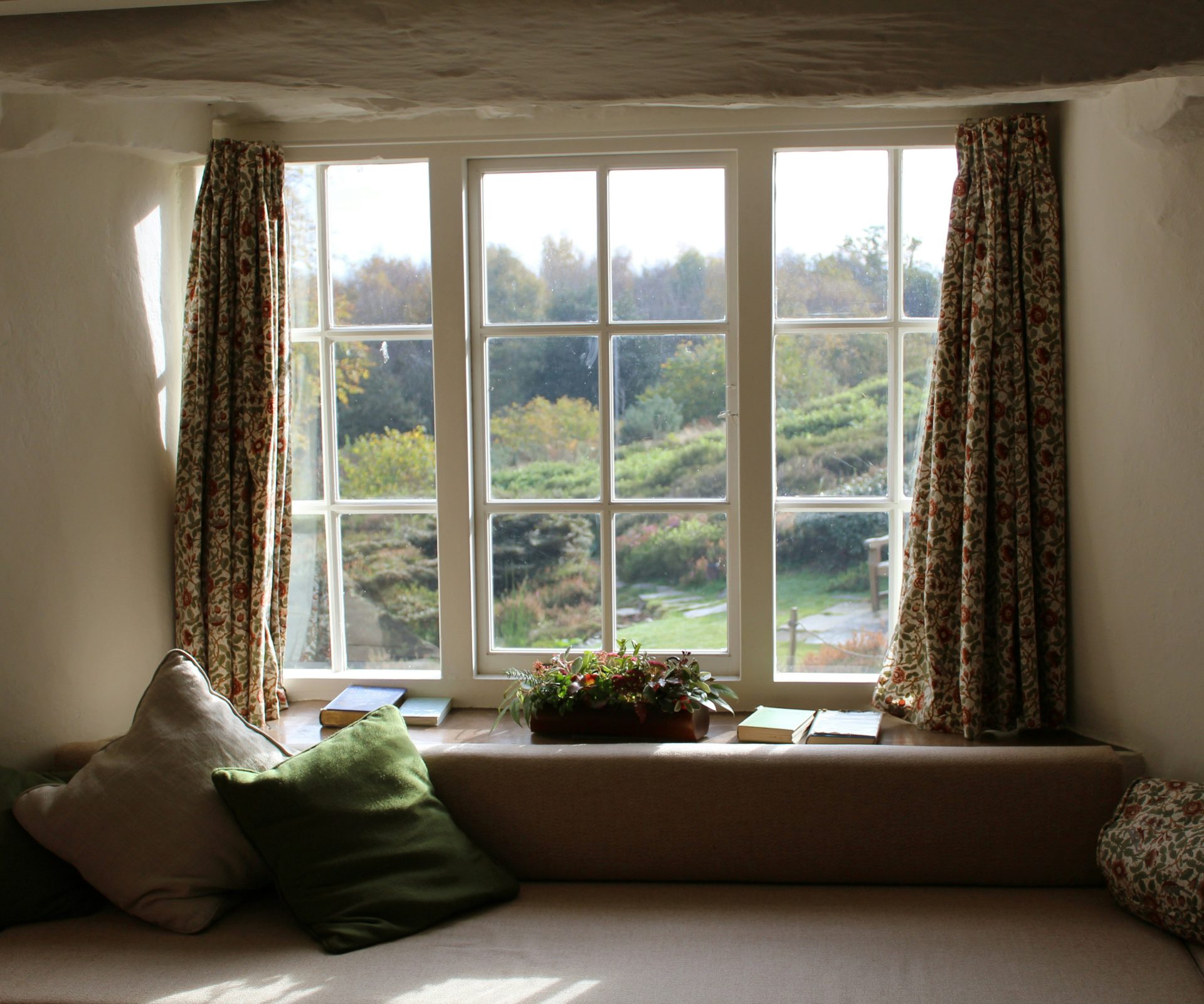
Natural light enhances the ambiance of small spaces. Use sheer curtains to maximize sunlight while maintaining privacy. Avoid heavy drapery that can darken areas.
Strategically place mirrors across from windows to amplify light reflection throughout the room. Glossy finishes on furniture and decor can also help light bounce around, creating a brighter environment.
Consider the orientation of windows when arranging furniture. Positioning seating to face windows can draw attention to outdoor views, making the space feel larger and more inviting. Using light, warm tones on walls and ceilings can further elevate the effect of natural light.
Decluttering and Smart Storage Solutions
In addition to maximizing light and color, keeping your small home organized is essential for creating a spacious and inviting atmosphere. Reducing clutter allows each area to breathe and ensures that your carefully selected decor and furniture don’t feel overcrowded.
For belongings that aren’t used daily, like seasonal items, extra furniture, or keepsakes, consider utilizing storage facilites in your area. Self-storage units offer a secure and convenient way to free up space in your home while keeping items accessible when needed.
By combining thoughtful decluttering with smart storage solutions, you can maintain a tidy, functional, and visually appealing environment, even in the most compact living spaces.
Strategic Furniture Choices and Smart Storage Solutions
Making strategic furniture choices and utilizing smart storage can drastically enhance the functionality of a small home. Selecting the right pieces not only saves space but also maximizes the aesthetic appeal while remaining budget-friendly.
Choosing Multi-Functional Furniture
Multi-functional furniture is essential for small spaces. Pieces that serve multiple purposes help reduce clutter. For example, a sofa bed functions as seating during the day and transforms into a bed at night.
Storage ottomans can provide seating and store items. Consider furniture that can be easily adapted, like folding tables or extendable dining options.
Opt for a desk that can be hidden away when not in use, or use shelves with built-in desks for a compact solution. This choice allows for flexibility, particularly in small rooms where space is limited.
Using Furniture With Legs
Furniture with legs creates an illusion of more space. Choosing tables, chairs, and sofas that sit off the ground allows the eye to see the floor beneath, making a room feel larger.
This approach provides a sense of airiness, which is particularly valuable in tight areas.
Additionally, consider transparent or light-colored pieces, like acrylic chairs or glass tables, that further enhance this effect without sacrificing style.
Such designs encourage a** minimalist aesthetic** that can complement other decor elements.
Implementing Smart Storage
Maximizing storage space is crucial in small homes. One effective way is through the use of vertical storage solutions. Wall-mounted shelves can provide additional space without taking up floor area.
Incorporate under-bed storage for items rarely used, which can include seasonal clothing or extra linens.
Use decorative baskets to organize smaller items within closets or on shelves, keeping the space neat and accessible.
Choosing furniture with built-in drawers can also significantly increase storage capacity while maintaining a streamlined appearance. If you need additional organization or temporary space, seek out help from local storage providers that offer climate-controlled units and flexible month-to-month leases to keep belongings safe.
Room-by-Room Decoration Ideas for Small Spaces
Maximizing small spaces requires tailored strategies for each room. Effective design can enhance aesthetics while improving functionality. Below are ideas for creating an inviting and efficient environment.
Designing a Small Living Room
In a small living room, use multi-functional furniture. A sofa bed or an ottoman with storage can save space and offer utility. Choose a light color palette to make the room feel larger.
Mirrors are essential. Placing a large mirror opposite a window reflects light, creating the illusion of depth. Wall-mounted shelves can hold decor without consuming floor space.
Opt for a slim coffee table. This helps maintain flow while providing a surface for essentials. Arrange seating to encourage conversation, focusing on groupings rather than rows to make the area feel more inviting.
Finally, adding wall art can personalize a small living room without creating clutter. For instance, custom moon prints from reputable websites like thatverynight.com can serve as a focal point, adding character and meaning while keeping the space airy.
Similarly, nature-inspired prints or abstract minimalist art can complement the decor by bringing personality and visual interest without overwhelming the room.
Arranging a Compact Bedroom
A small bedroom can feel cozy with the right layout. Use a queen-sized bed instead of a king to free up space for bedside tables. Floating nightstands maintain functionality without bulky furniture.
Consider utilizing vertical space with tall dressers or shelves above the bed. This can provide additional storage areas while drawing the eye upward.
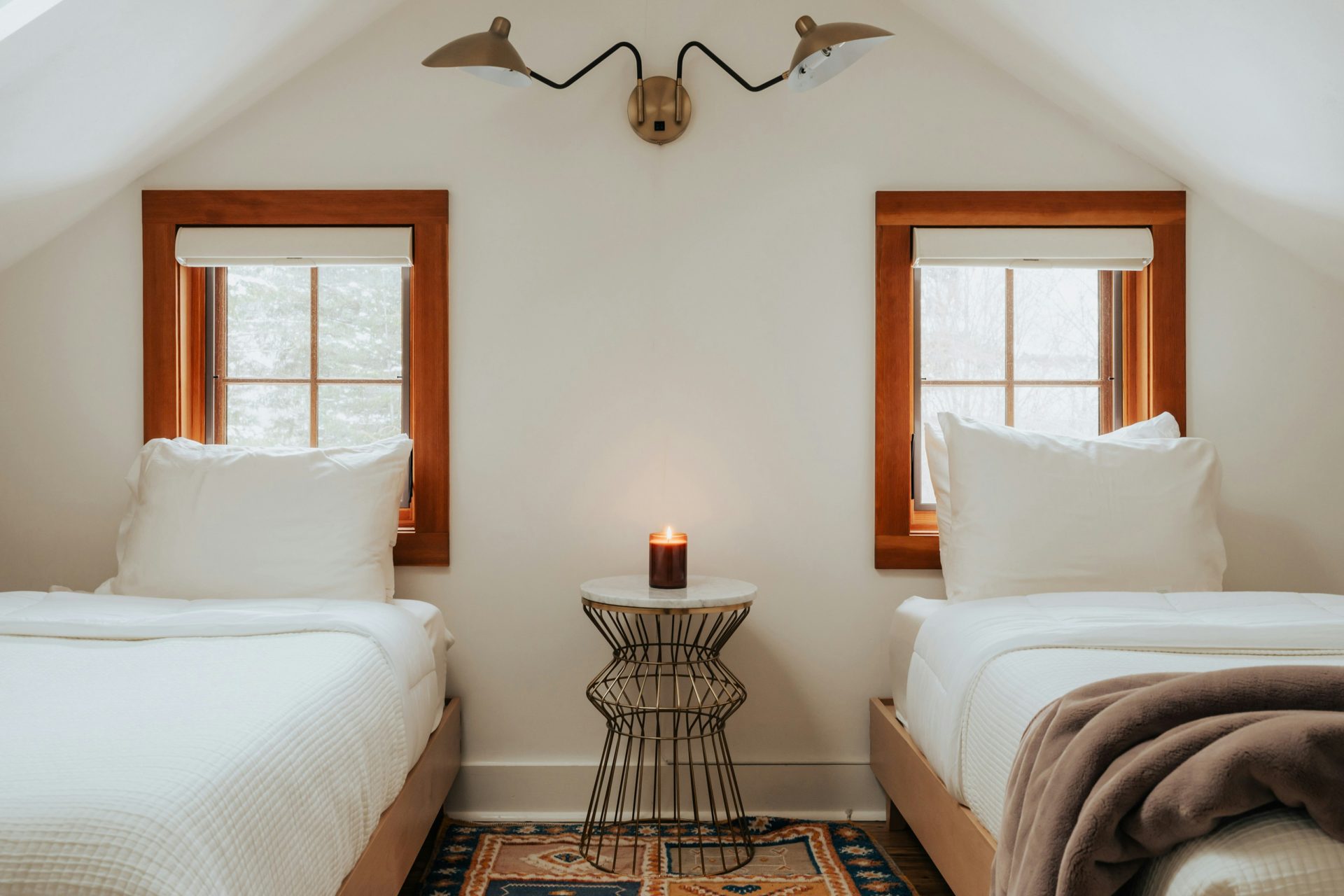
Choose light, airy bedding to keep the atmosphere relaxed. Accessories should be minimal; opt for decorative pillows and a throw for color without clutter.
Optimizing a Small Bathroom
Small bathrooms benefit from smart storage solutions. For such renovations, one can look into custom solutions, like those offered by Sterling Kitchen & Bath, to maximize functionality and make the most of limited space. Under-sink cabinets or hanging shelves can maximize space for toiletries and linens. Use clear organizers to maintain an uncluttered appearance.
Light colors are effective for bathrooms. White tiles or soft pastels can brighten the room, while a large mirror can expand visual space.
Incorporate wall-mounted fixtures for towels and accessories. This clears floor space and enhances functionality. Compact fixtures like a pedestal sink or corner shower save room while offering essential services.
Creating a Functional Home Office
A home office in a small space demands thoughtful design. Choose a compact desk that fits the available area, such as a wall-mounted or foldable option. This allows for easy workspace adjustments when needed.
Good lighting is crucial. Utilize a combination of natural light with task lamps to reduce eye strain. Desk organizers can keep supplies accessible without overcrowding.
Consider sound-muffling materials like rugs or curtains to enhance focus in a small setting. Personal touches like artwork or plants can inspire creativity without overwhelming the area.
Decor Techniques to Enhance Perception of Space
Utilizing effective decor techniques can significantly create the illusion of more space in a small home. Strategies such as incorporating mirrors, accentuating vertical dimensions, and choosing light colors play a vital role in transforming confined areas.
Strategic Use of Mirrors
Mirrors can create an illusion of depth and openness. Placing a large mirror on a wall opposite a window can reflect natural light, brightening the space. Smaller mirrors can be arranged in groups to add interest.
Tips for using mirrors:
- Size: Larger mirrors tend to enhance spaciousness.
- Positioning: Place mirrors where they can reflect views or light sources.
- Framing: Stylish frames can complement specific decor styles, such as mid-century modern.
Accentuating Vertical Space
Drawing the eye upward can make a room feel taller. Utilize vertical lines through tall bookshelves, vertical artwork, or elongated decor items. This technique shifts focus, making the ceiling seem higher.
Vertical elements to consider:
- Tall furniture: Opt for high shelves instead of bulky cabinets.
- Wall treatments: Vertical stripes on walls can enhance the height perception.
- Lighting: Pendant lights hung high can strengthen this effect.
Choosing Light Neutrals
Light neutral colors, such as whites, beiges, and soft greys, can significantly influence feelings of spaciousness. These hues reflect light, contributing to an airy atmosphere.
Best practices for color selection:
- Wall color: Opt for light tones that blend with the ceiling for continuity.
- Accents: Use slightly darker shades for decor items to create contrast without overwhelming the space.
- Textiles: Choose light-colored fabrics for curtains and upholstery to maintain an open feel.
Decorating a Narrow Room
Narrow spaces can be challenging, yet they offer opportunities for effective design. Consider layouts that elongate the area, such as placing furniture against the longest walls.
Key ideas for narrow rooms:
- Furniture: Choose streamlined and slim-profile pieces to avoid overcrowding.
- Strategic placement: Position furniture to create pathways that guide movement.
- Decor: Use long, slim art or fixtures to visually elongate the room.
Applying these techniques will help maximize space and create a more inviting atmosphere in small homes.